
We started the beta with a small card pool on purpose. It kept development focused and made balance easier to manage. The downside showed up fast. Matches began to feel samey, and players ran out of interesting decisions. We had leaned too hard on balance and not enough on variety, and the game suffered for it.
What Players Told Us
Player feedback made that clear. People wanted more options, more ways to build and experiment. A larger card pool doesn’t just add mechanics, it opens up strategy. It gives players room to discover combinations and develop their own style, which is what keeps a game like this alive.
Frequent updates during beta also help us see what actually works. New cards create new situations, and those situations expose issues we wouldn’t catch otherwise. Watching how players respond gives us better data and leads to smarter changes. That back and forth between players and development is the whole point of running a beta.
So expanding the card set isn’t a knee-jerk reaction. It’s a deliberate shift to make the game more engaging and to get better feedback while we still can.
Community Feedback on Discord
The community has been central to this. Our Discord, in particular, has been a steady stream of useful input. Players have shared ideas, pointed out gaps, and suggested mechanics that add depth without breaking the game. A lot of those ideas focus on new abilities and stronger synergies, which tells us people want more meaningful choices, not just more cards.
We’ve also seen clear preferences for different playstyles. Some players want aggressive tools, others lean toward control or utility. That range of feedback helps us shape a card set that supports all of it, instead of funneling everyone into the same few strategies.
Keeping that conversation open matters. When players can see their feedback show up in the game, they stay invested. It also keeps us honest about what the game actually needs.
Rethinking Our Own Rules
This push has meant rethinking some of our own rules. We set guidelines to keep things consistent, but sticking to them too rigidly can slow us down. Originally, new cards were tied to a stricter schedule. Beta changed that. The demand for variety came sooner than expected, and waiting would have hurt the experience.
Breaking that schedule wasn’t reckless. It was a response to what we were seeing in real time. Expanding the card pool now gives us better testing conditions and keeps the game from going stale. Sometimes the right move is adjusting the plan instead of following it.
Looking ahead, the next build will include a set of new cards designed to shake things up. We’re adding four disruptors that interfere with standard play patterns and force tougher decisions. These are built to create tension and open up counterplay, not just cause chaos.
Alongside them are three new base cards. These are meant to slot into existing decks while also pairing well with the disruptors. The goal is to expand what players can do without invalidating what already works.
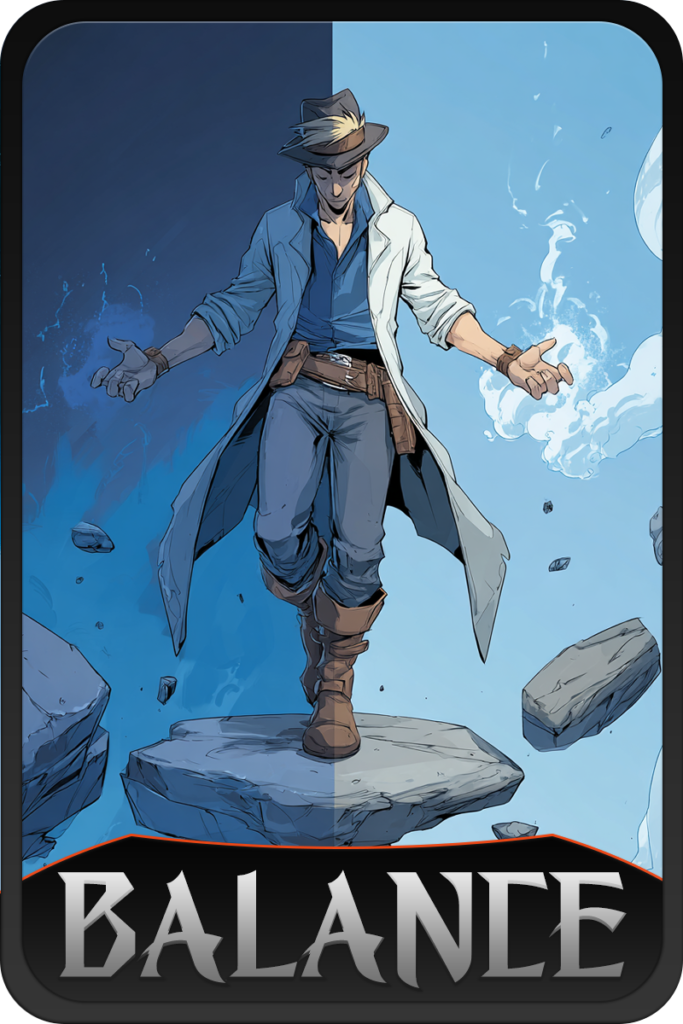
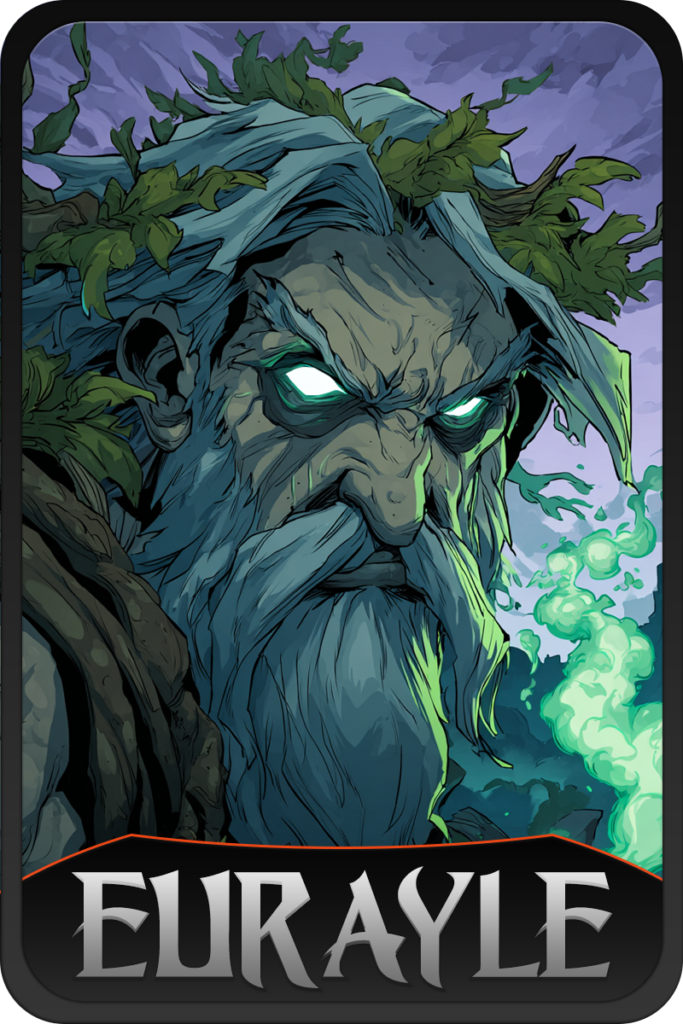
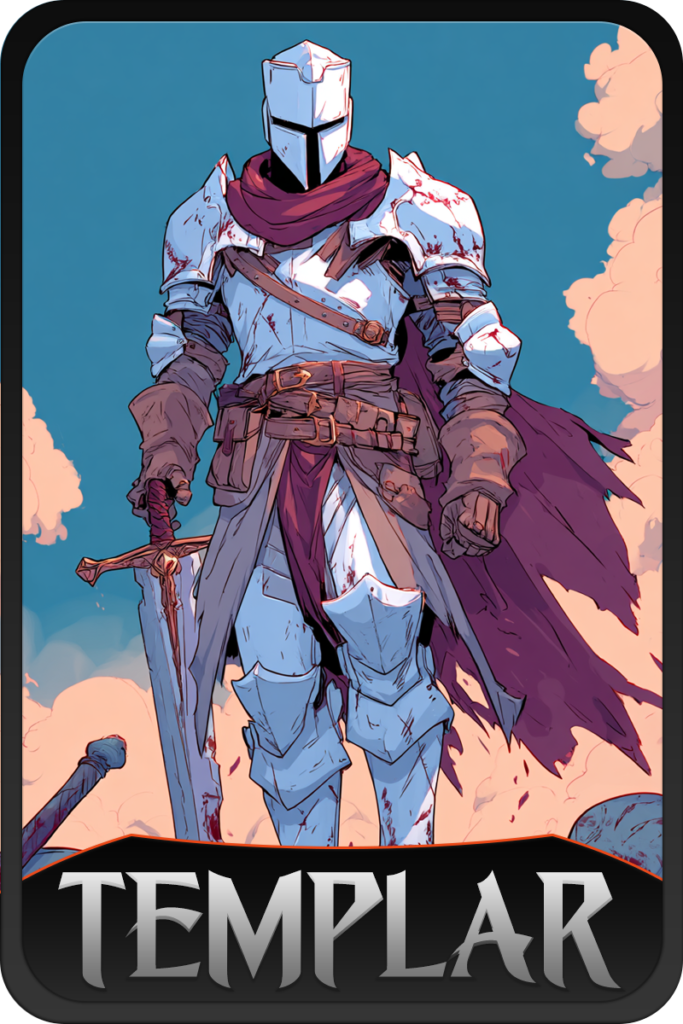
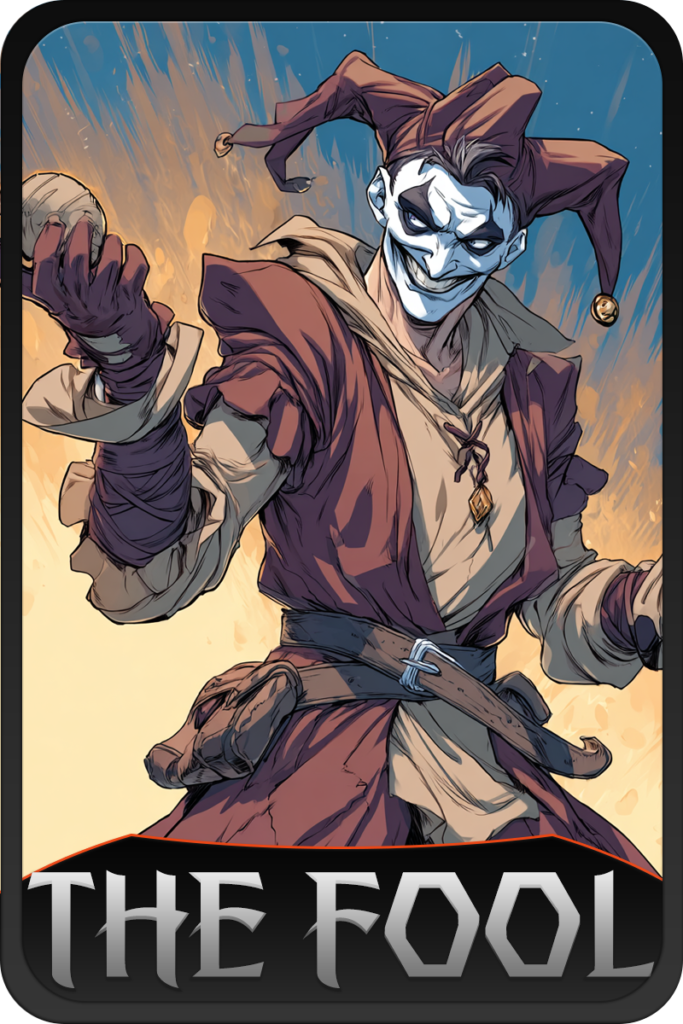
DRAW ON TURN 3:
Set the base power to every card on the field to 3.
DRAW ON TURN 1:
Poison the next card played by both players. That card loses 1 power every turn.
DRAW ON TURN 4:
Destroy all 4 cost cards on the field.
DRAW ON TURN 2:
Both players discard 2 random cards from their hand and draw one card from their opponents deck.
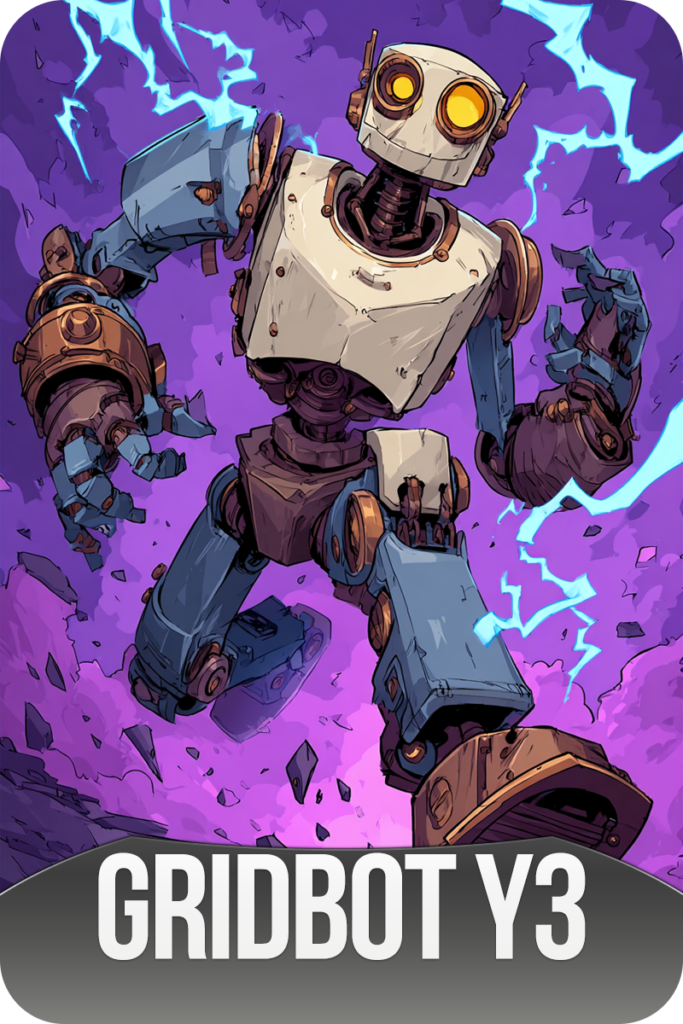
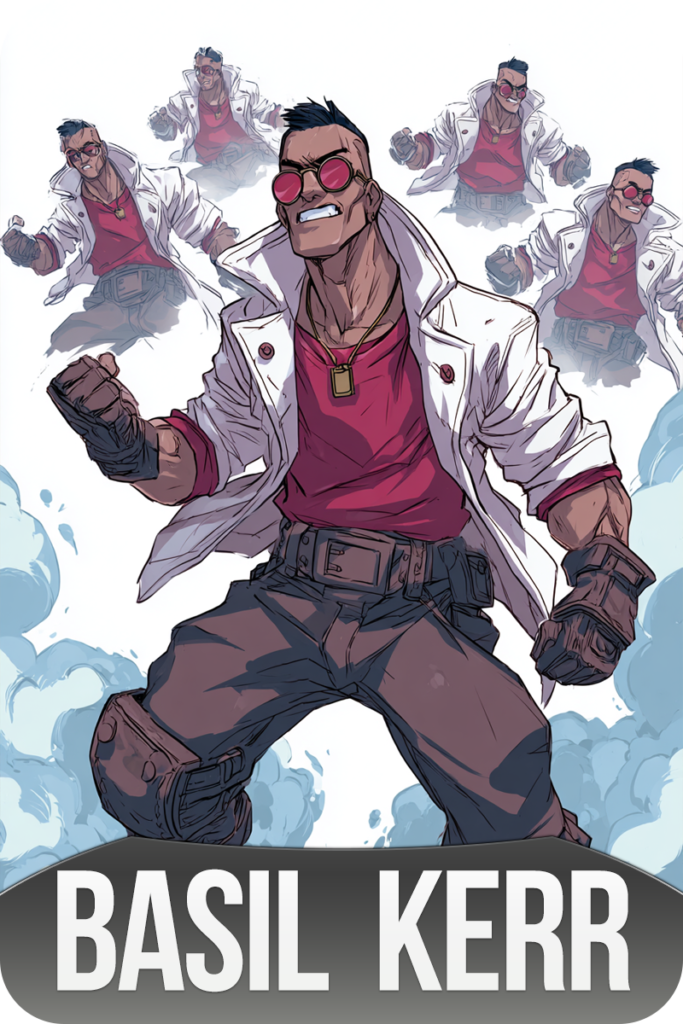

PERSISTENT: This card moves to any location you play a card at and gains +2 power if that card is an On Reveal.
PERSISTENT: When this card moves, add a duplicate to the old location.
On Reveal: Move the next card you play to the left
Budget Impact and Crowdfunding
Expanding the card set has a direct impact on our budget. Our original crowdfunding target was set at 13,900, which nets roughly 10,000 after fees. That number was built around covering core costs, with the majority going toward artwork.
Adding seven more cards shifts that. Each new card needs finished art, and that work adds up quickly. To account for it, we’re likely moving the target closer to 16,900. The upside is simple. Every additional dollar is going straight into improving the visual quality of the game.
We’ve also been asked if we’re exploring enough options for artists. At this point, we are. We’re already working with three artists who have given us strong rates, and those numbers are what we’ve used to build out the budget. They’ve been flexible and open to continuing long term, which gives us stability on the art side.
That said, continuing at that level depends on funding. Hitting the goal means we can keep working with the same artists, maintain consistency, and deliver the volume of artwork the game now requires..