
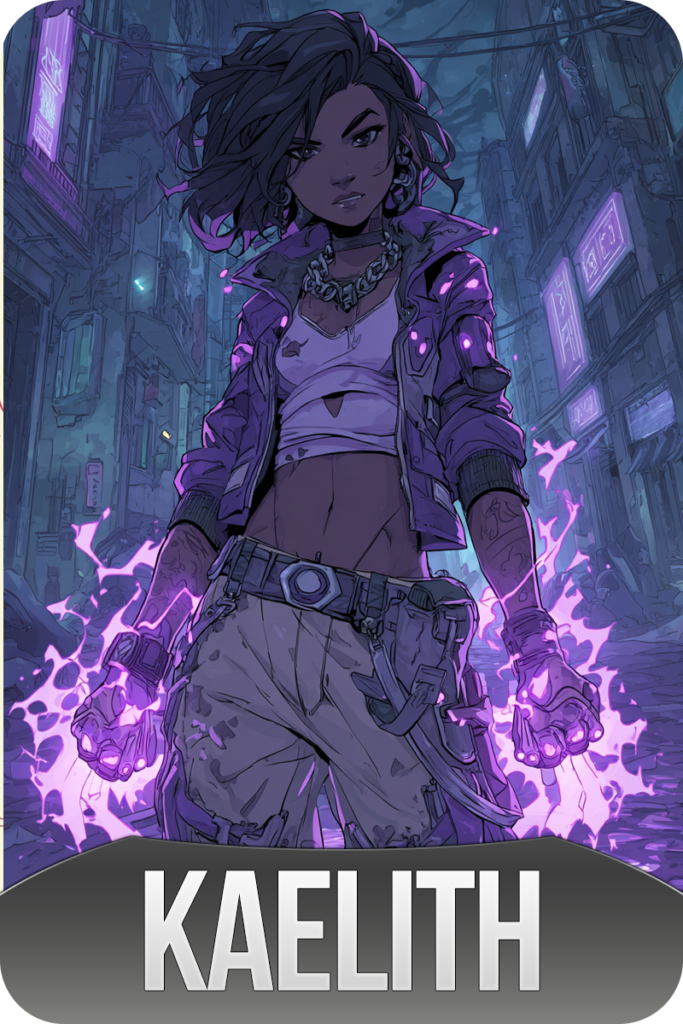
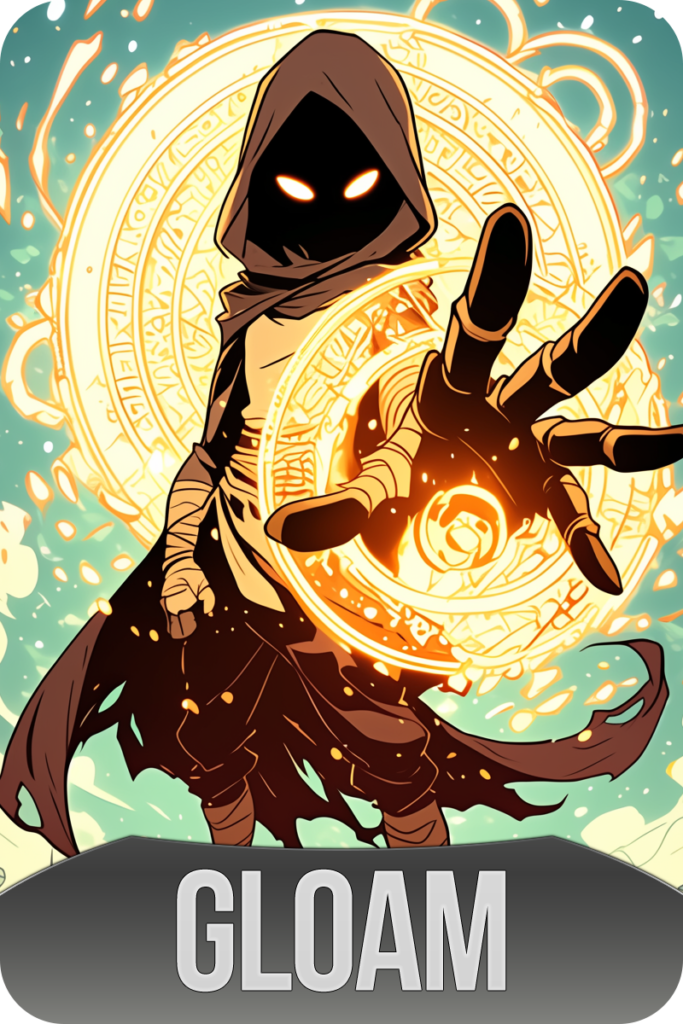
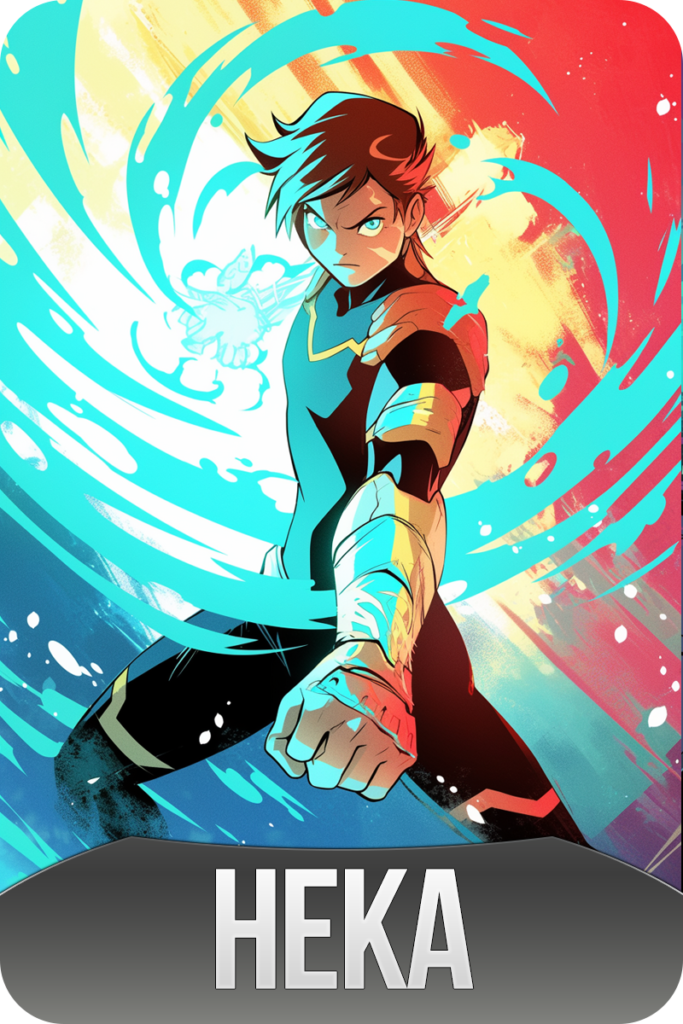
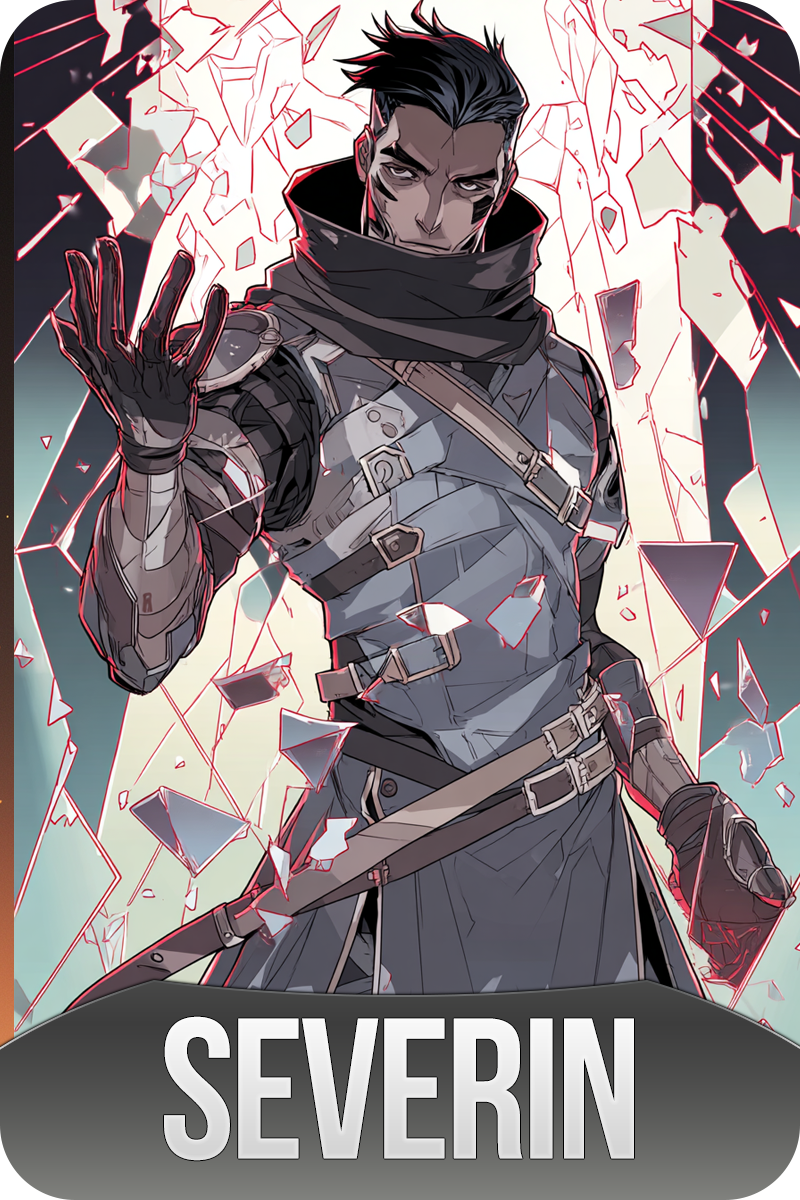
These are the base characters of Rankbreaker. Each has a history and reason to be here on The Trophaeum.
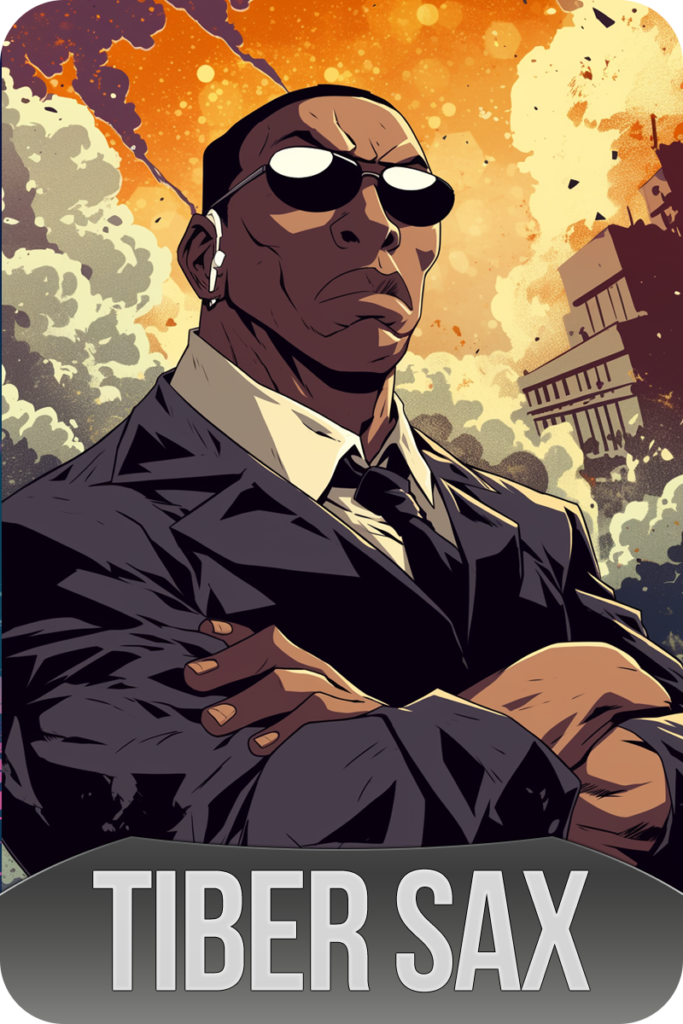

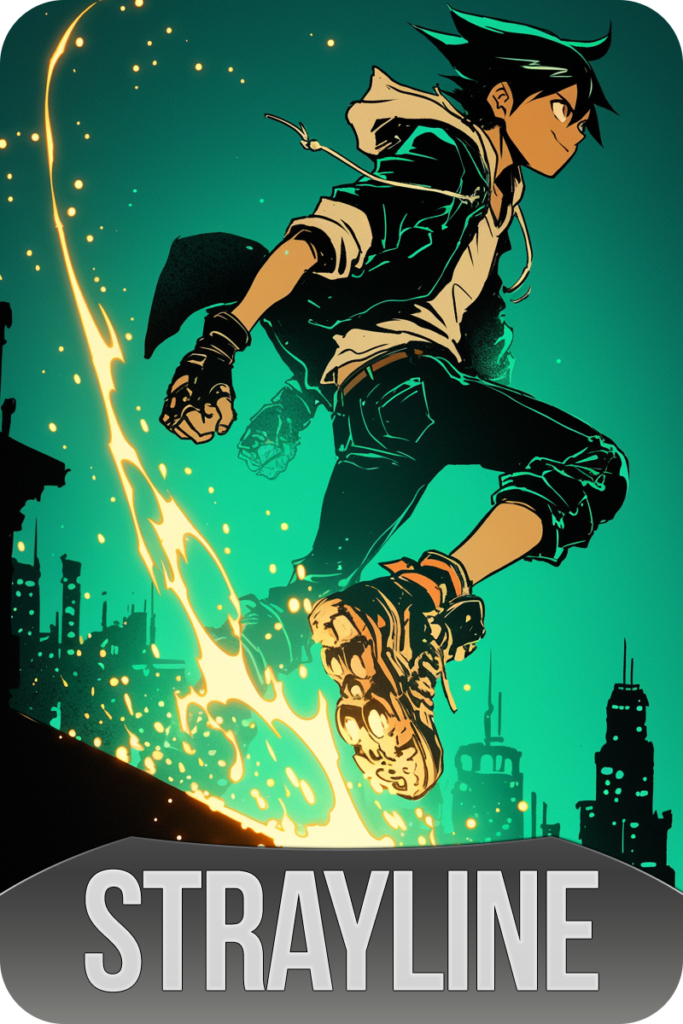
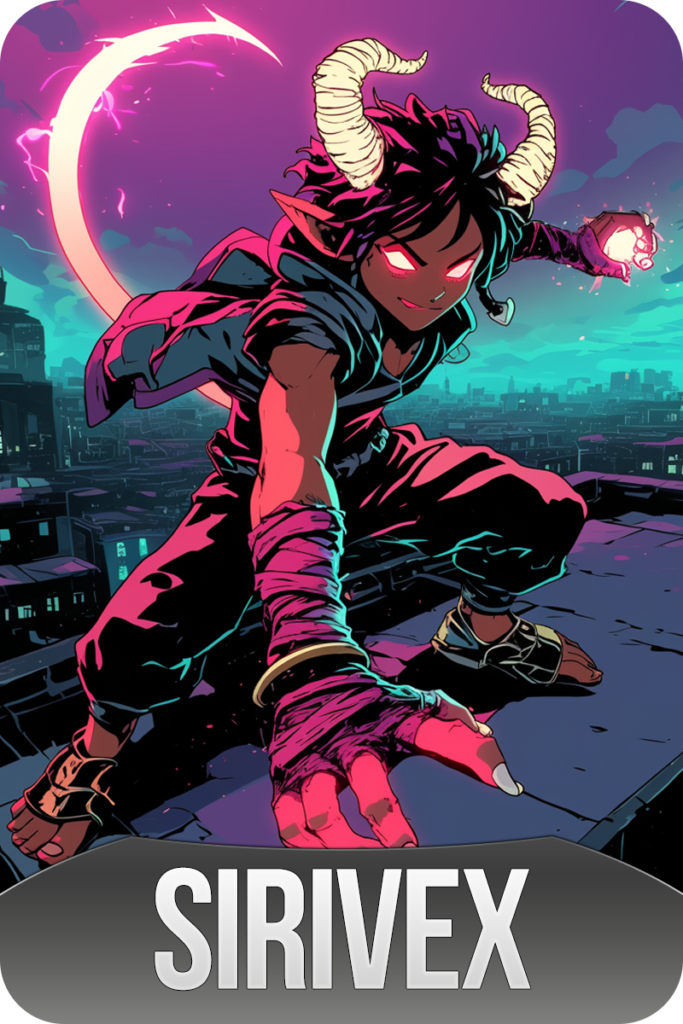
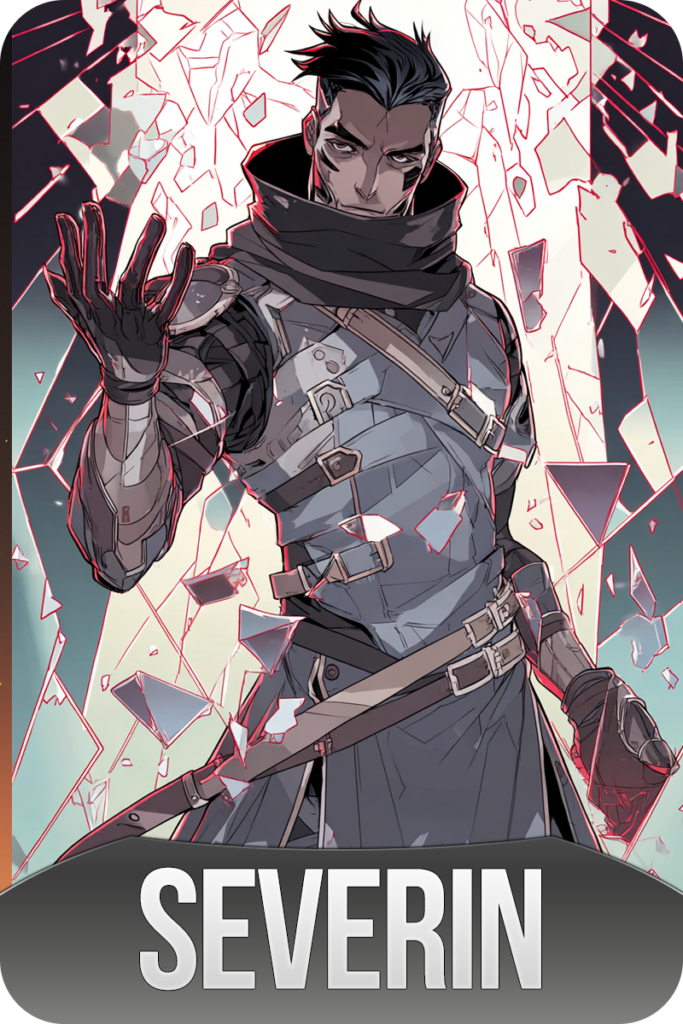
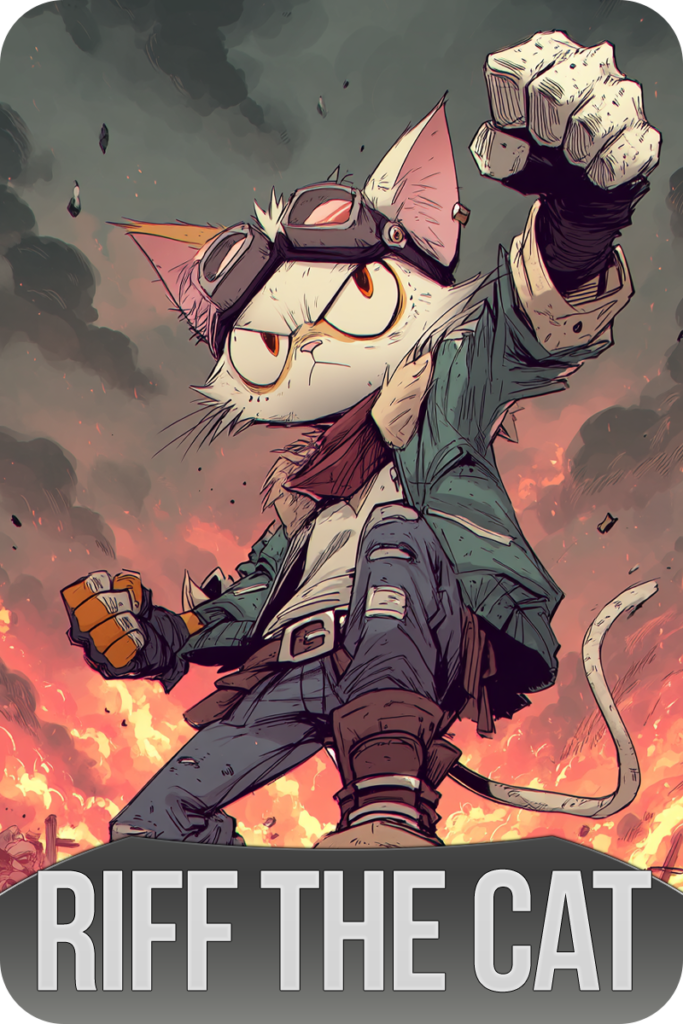
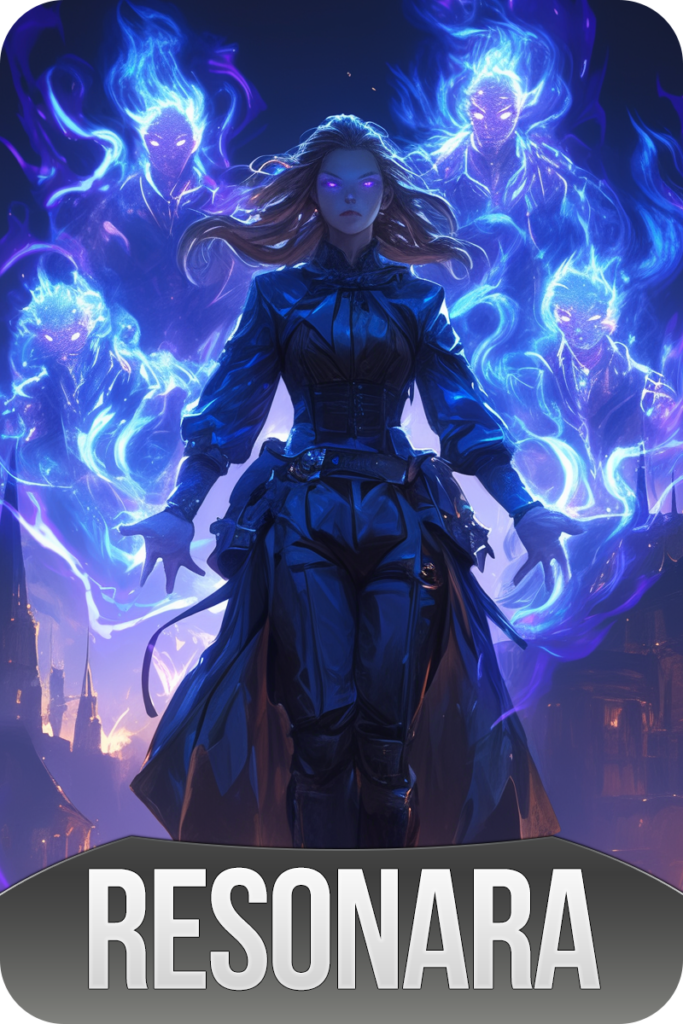
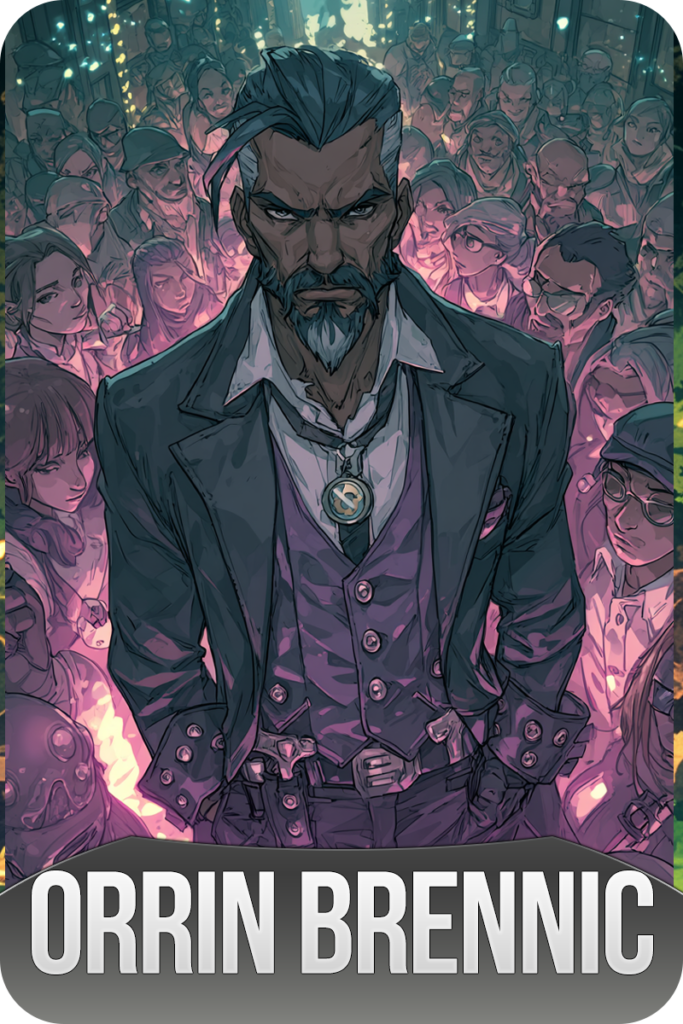
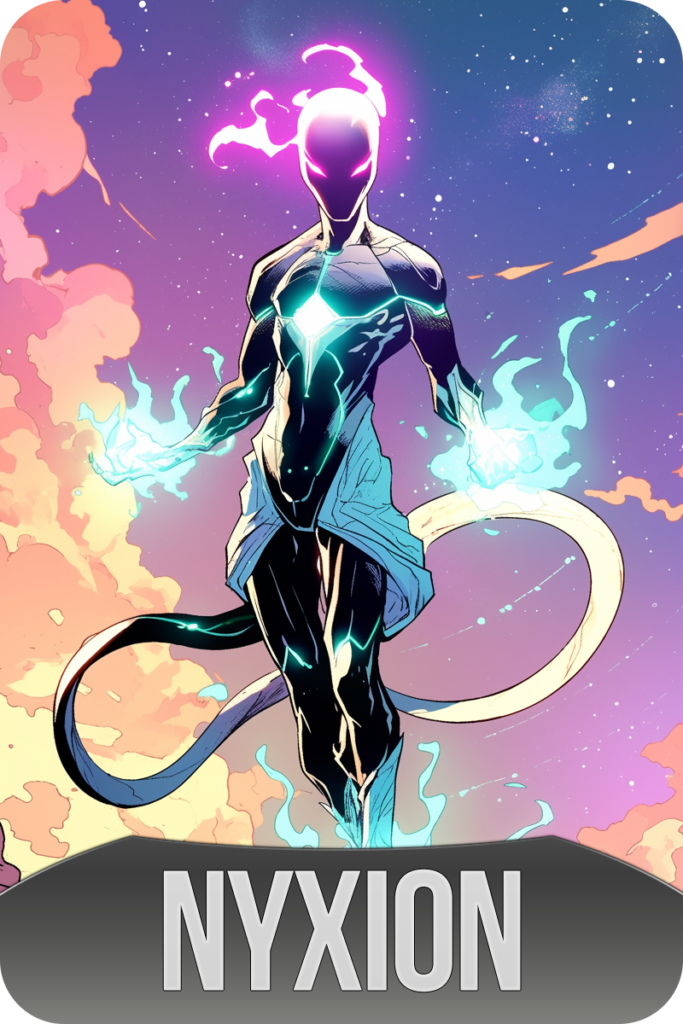
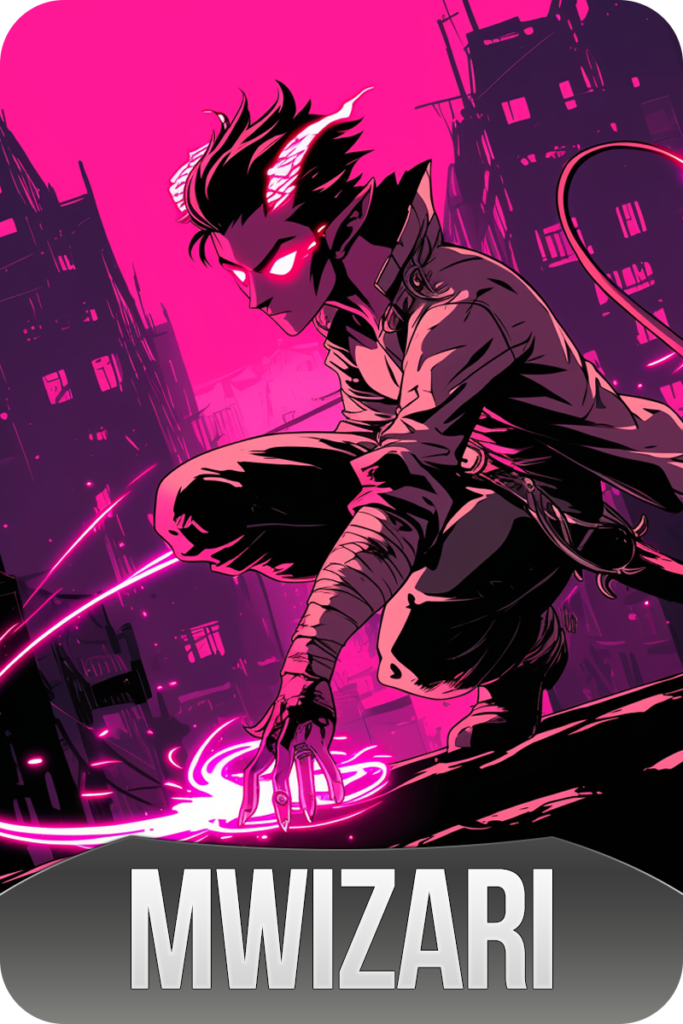


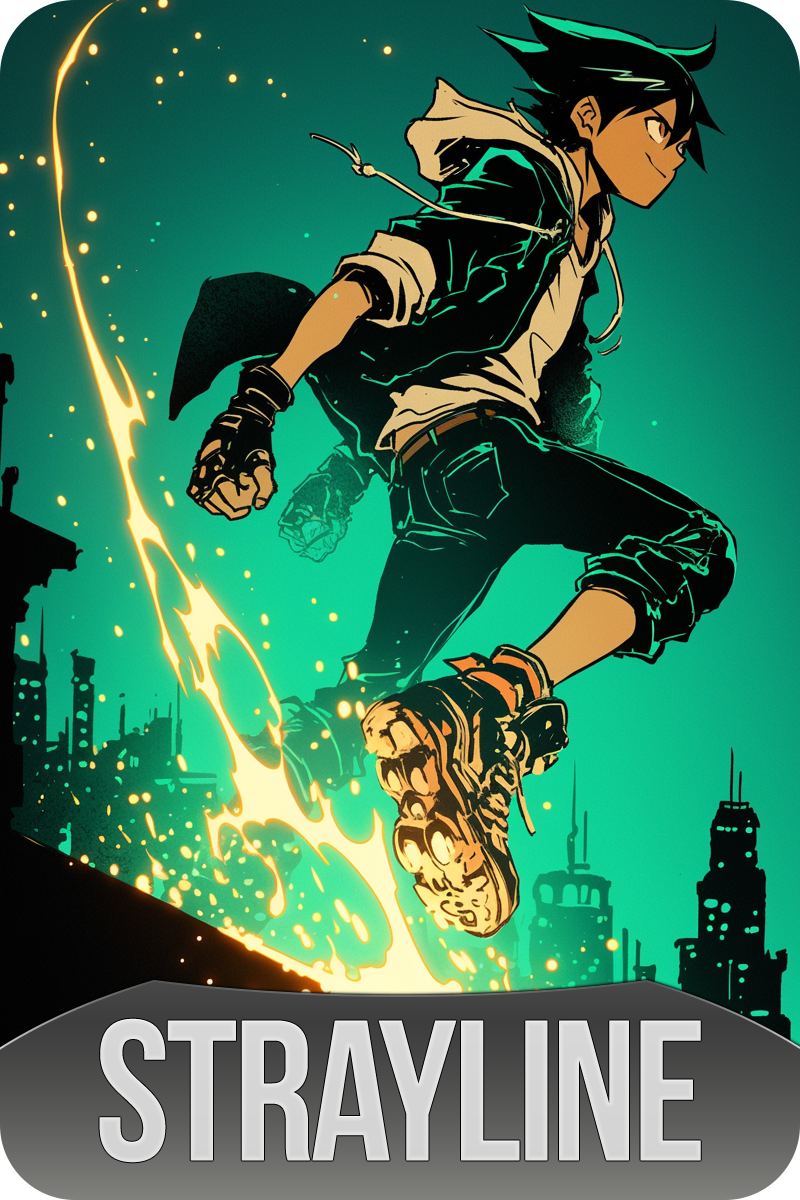
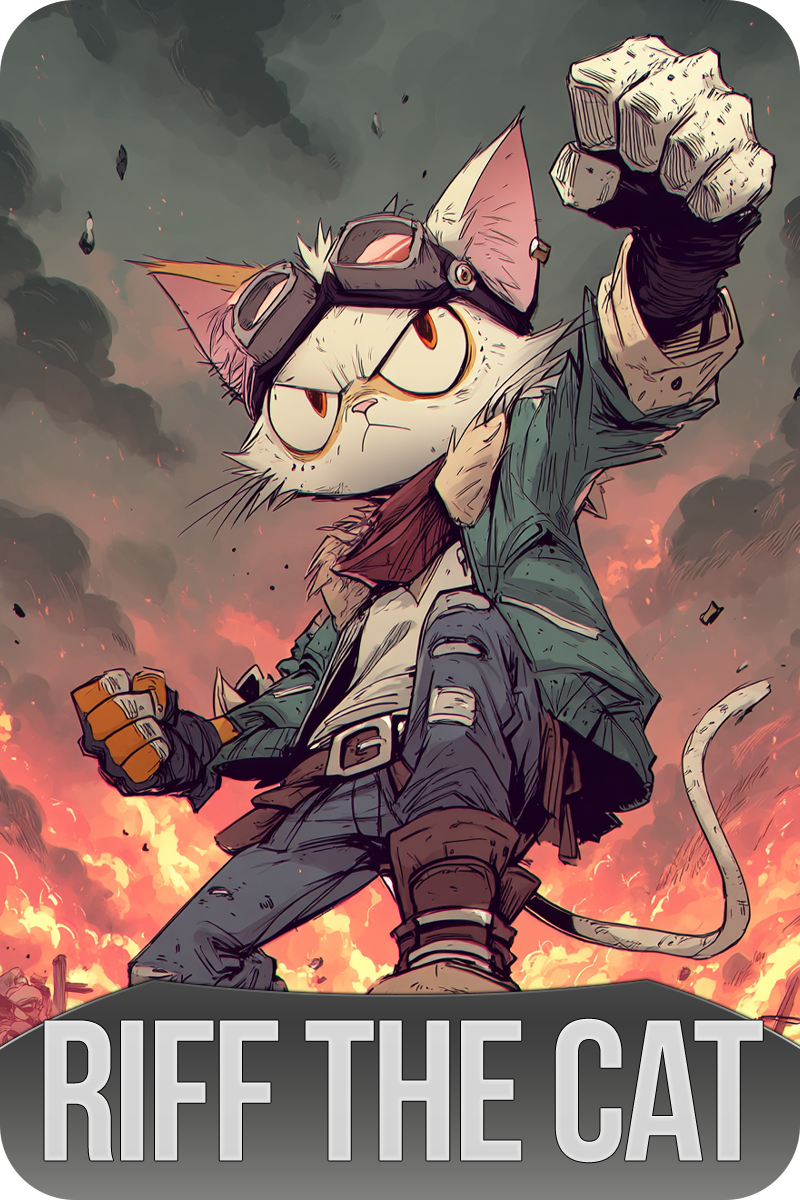
The junkyard sits at the base of the Trophaeum. Not the gleaming face of it, not the sponsored tiers or the corporate brackets. The base. The original stone. The part everyone built on top of and eventually forgot was there. Below the upper plates, in the part of the world where everything discarded eventually lands. Riff grew up there. In the castoffs and the salvage, the broken things that fell from upper levels. He took them apart. Put them back together as something faster. Nobody taught him. There was nobody to ask.
He watched the Trophaeum his entire life from that junkyard. By the time he understood what the climb meant he had already decided it didn’t impress him the way it impressed everyone else.
Everyone up there was trying to smash their way through. Brute force, raw power, the biggest hit. Riff looked at that and saw a track with nobody fast enough to own it yet.
He entered because he thought he could outrun everyone. He still thinks that. The difference between then and now is that he’s been proven right enough times to make it insufferable.
Paragon Paths
Nobody remembers what he was called before.
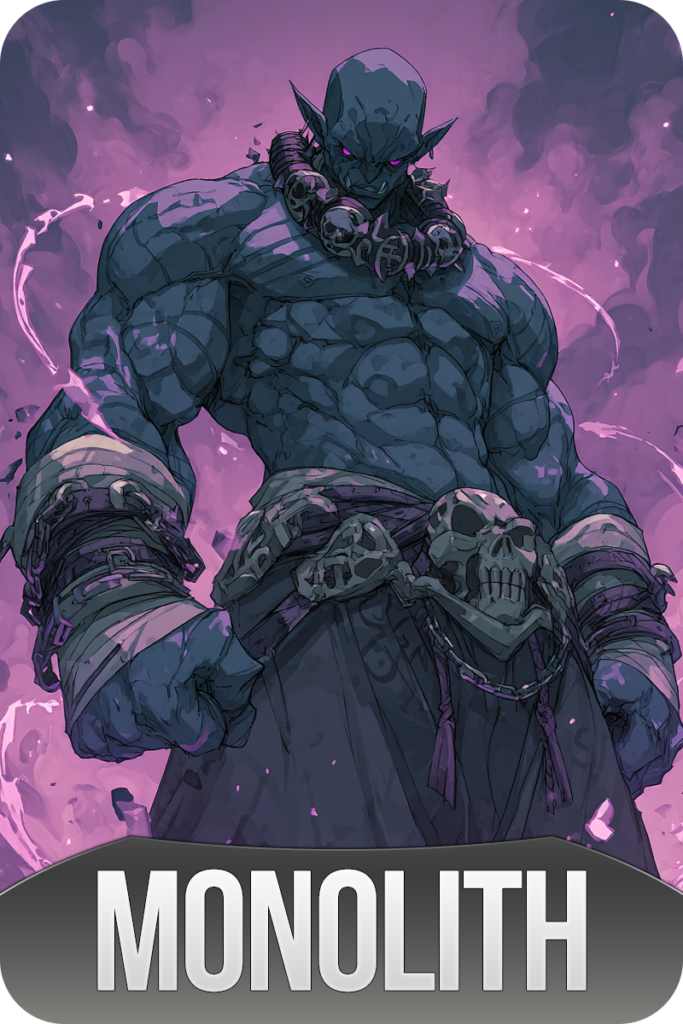
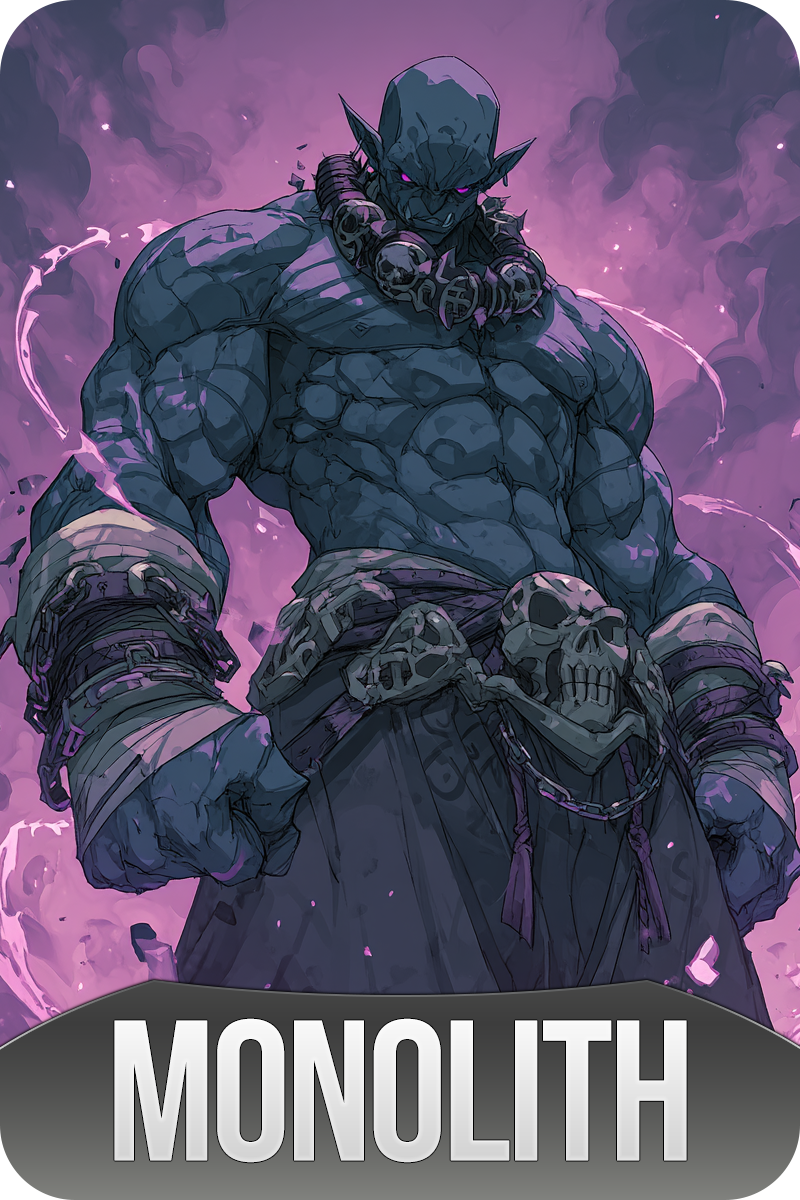
He came from underground, from the kind of dark that has pressure to it, where survival wasn’t a competition so much as a constant negotiation with everything that wanted you dead. The drow don’t build monuments. They endure. Monolith learned endurance before he learned anything else.
He remembers the Trophaeum before the lights. Before the sponsors, the corporate tiers, the added floors and monetized brackets and the endless machinery of spectacle that grew around what was once something rawer and more honest. He watched it change from something that tested people into something that consumed them. He watched the climb become the point, the rank become the identity, the tower become a thing you fed yourself into rather than something you actually faced.
He decided not to follow it there.
That decision made him an outcast in a world where climbing was already the dominant mentality. In the underground, in the city above it, everywhere the Trophaeum cast its shadow, the question was always the same. How high are you. He stopped answering.
What he built instead was harder to explain and harder still to argue with. A stillness that isn’t passivity. A refusal that isn’t weakness. He turned inward the way some people turn outward, with total commitment and no interest in whether anyone understood it. The muscle, the discipline, the monk robes over a frame that looks like it was carved rather than grown. All of it chosen. All of it deliberate. All of it his.
People started calling him the Living Monolith somewhere along the way. He didn’t correct them. Eventually the first word dropped off and only the monument remained.
He came to the Trophaeum not to climb it. To stand in front of it. The tower is a monument to ambition, to the endless human need to be above something. Monolith is a monument to the self.
Immovable. Unreducible. Unchallengeable not because nothing has tried but because nothing has succeeded and nothing will.
He isn’t here to reach the top. He’s here to make the tower reckon with something it has never faced before. Something that cannot be moved by it.

Paragon Paths
Paragon Paths
Paragon Paths
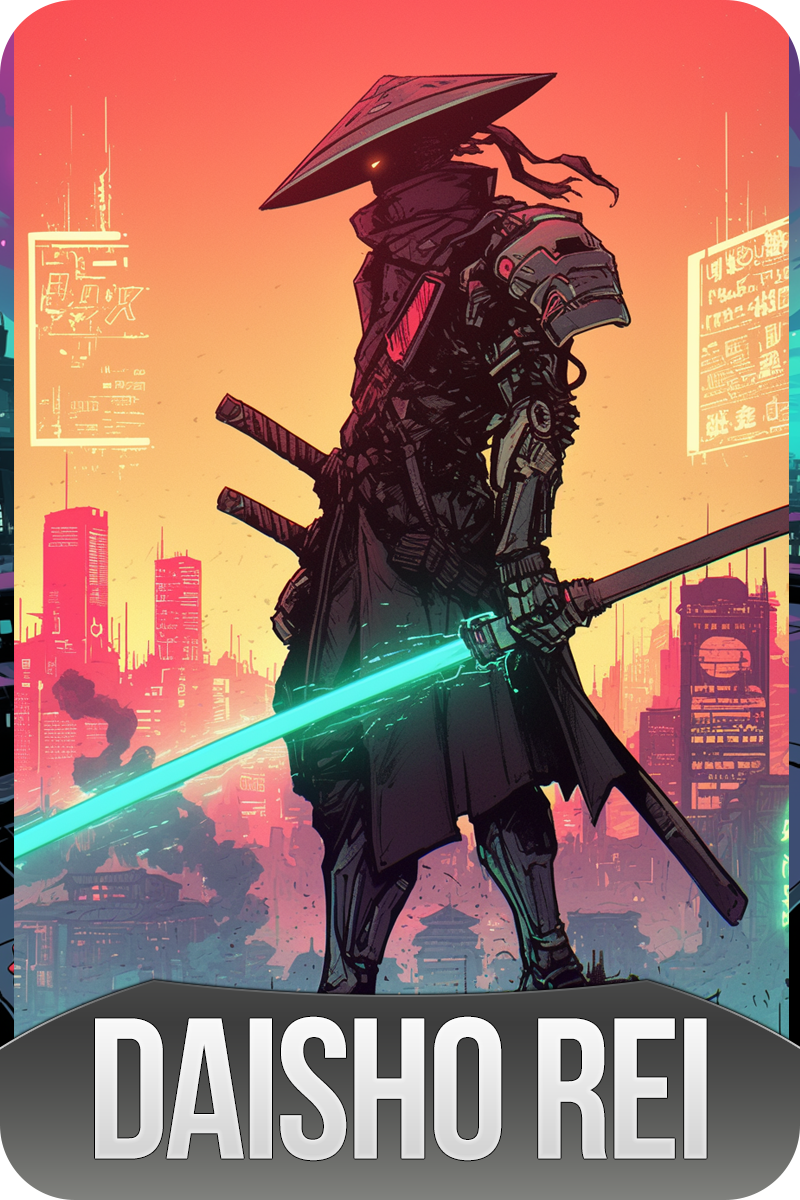
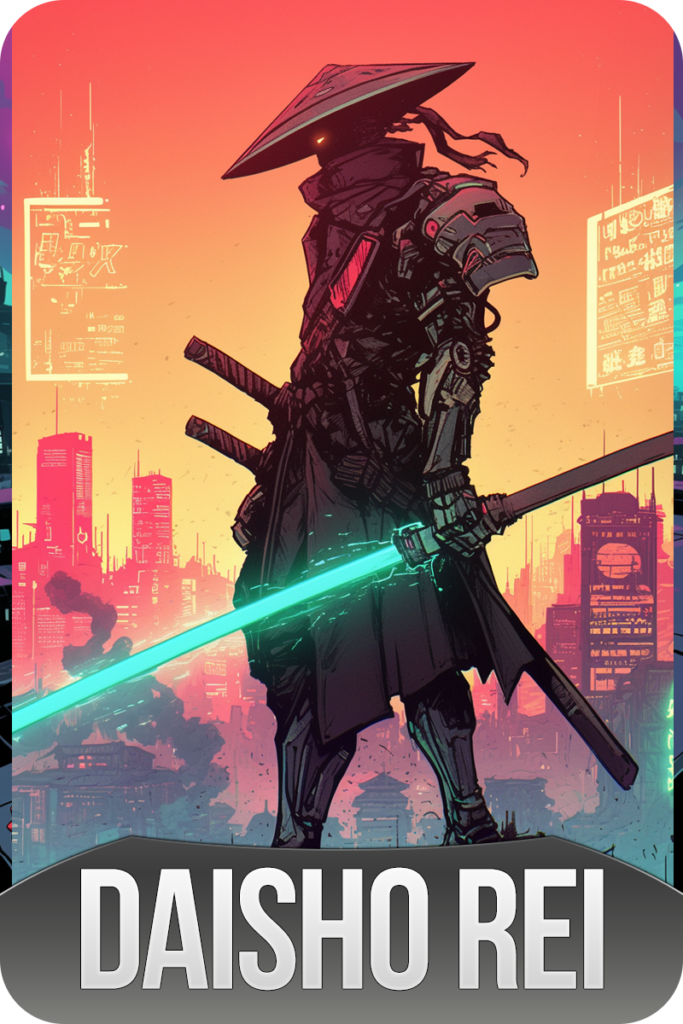
Daisho Rei grew up with the Trophaeum on every screen. The names of victors scrolling across scoreboards visible from three blocks away, match highlights running on loop in the neon-soaked windows of every establishment in the upper plates. He didn’t discover the climb. He was raised inside its broadcast. By the time he was old enough to enter he already knew the brackets, the rankings, the names of everyone worth knowing. The danger was always part of the presentation. He assumed that was the point.
He came in with a code. Honor, discipline, the particular weight of doing things the right way in a place that stopped caring about the right way long before he was born. The upper plates will tell you this is naive. That the Trophaeum chewed through honor centuries ago and built something more efficient in its place. Daisho Rei has heard this. He keeps the code anyway. Not because it’s practical. Because it’s his and in a world of neon and sponsored brackets and names on scoreboards, having something that belongs entirely to you matters more than people admit.
He hasn’t been hit hard enough yet to know the difference between sport and survival. That’s not a criticism. It’s just true. The Trophaeum has a way of teaching that lesson and it doesn’t schedule the class in advance. When it comes for Daisho Rei it will find someone disciplined enough to absorb it and stubborn enough to stand back up. What he does with the code after that is the question the Trophaeum is waiting to ask him.
Paragon Paths
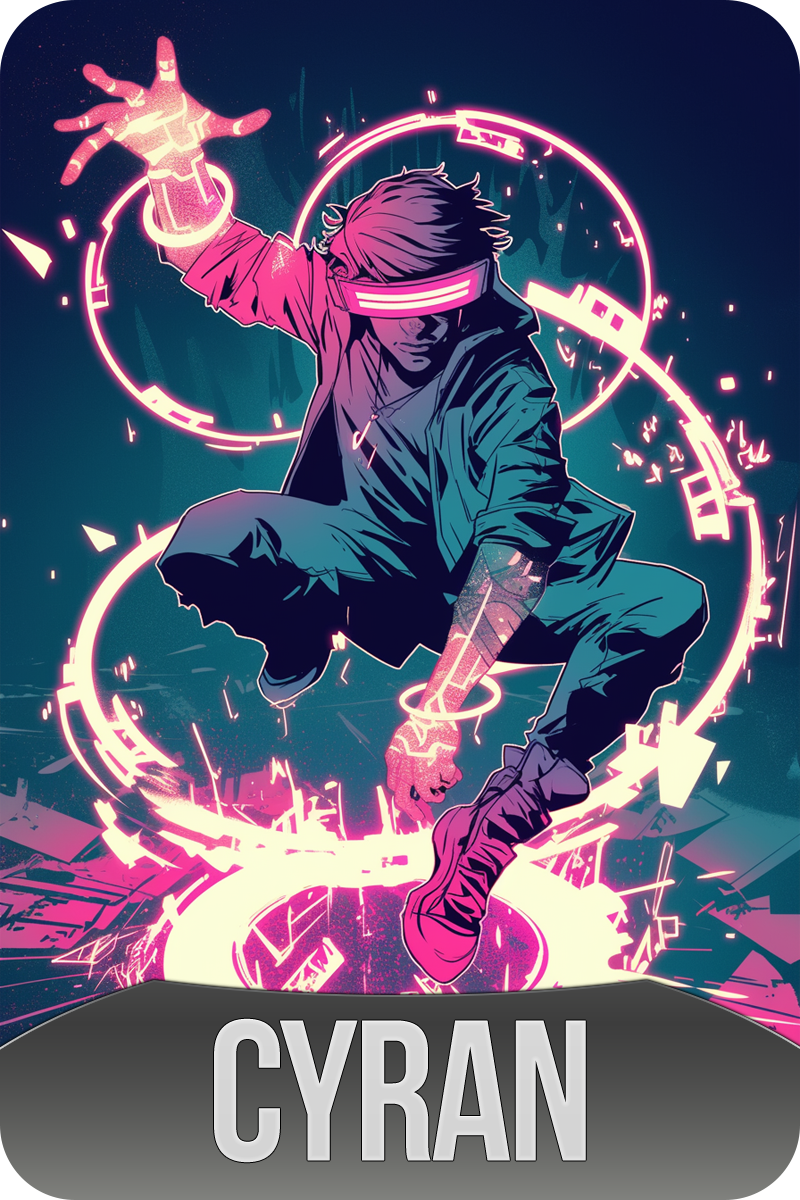
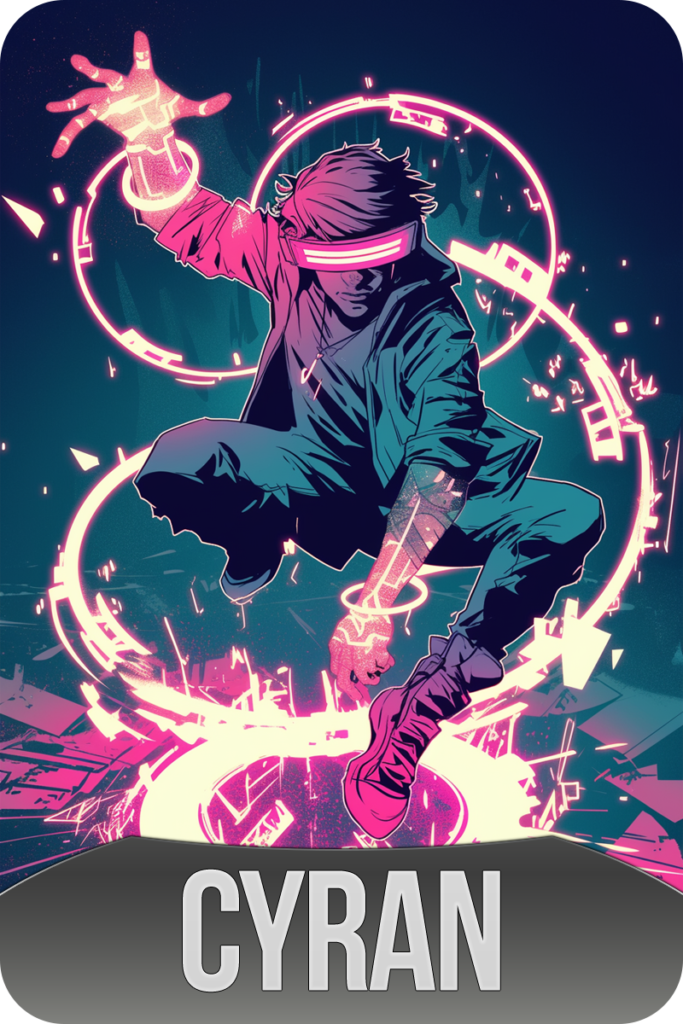
Cyran figured out something nobody else bothered to look for. The upper levels of the Trophaeum, the brackets and the rankings and the elaborate architecture of the climb, are not magic in the way that most people mean magic. They are systems. Rules written by someone, somewhere, running on infrastructure that was designed and built and can therefore be accessed by someone who knows where to look. He knows where to look. He has always known where to look. Finding the seams in things other people accept as solid is just how he sees the world.
He grew up in the city’s data layer, in the part of the infrastructure that most people pass through without noticing, learning to move through systems the way other people learn to move through rooms. By the time he found the Trophaeum’s underlying architecture he had already rewritten enough of the world’s back end to know that nothing is as permanent as it presents itself.
Locations, brackets, the carefully maintained rules of engagement, all of it runs on something. Something that can be changed.
What he cannot confirm, and has chosen not to think about too carefully, is whether the Trophaeum’s infrastructure is actually vulnerable to him or whether something very old and very aware is simply allowing him to believe that it is. The results have been consistent enough to keep him confident. Whether that confidence is earned or granted is a question he keeps moving too fast to answer.
Paragon Paths
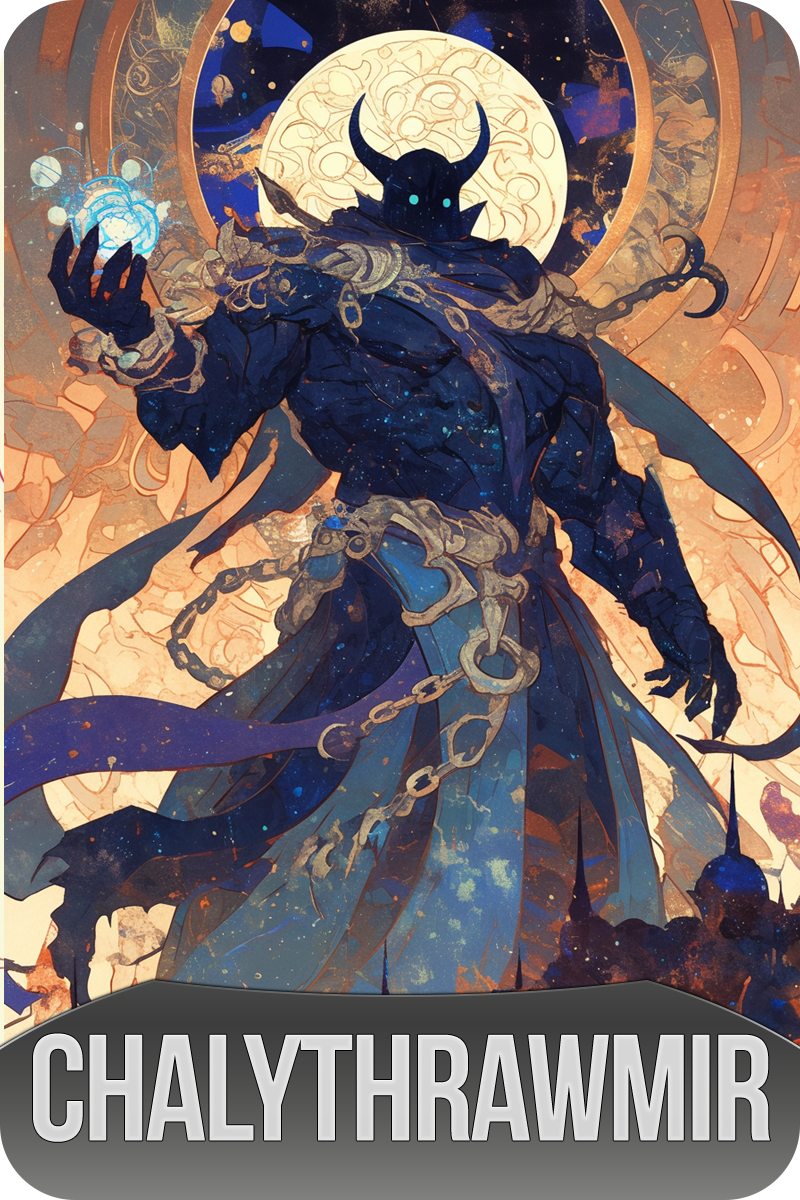
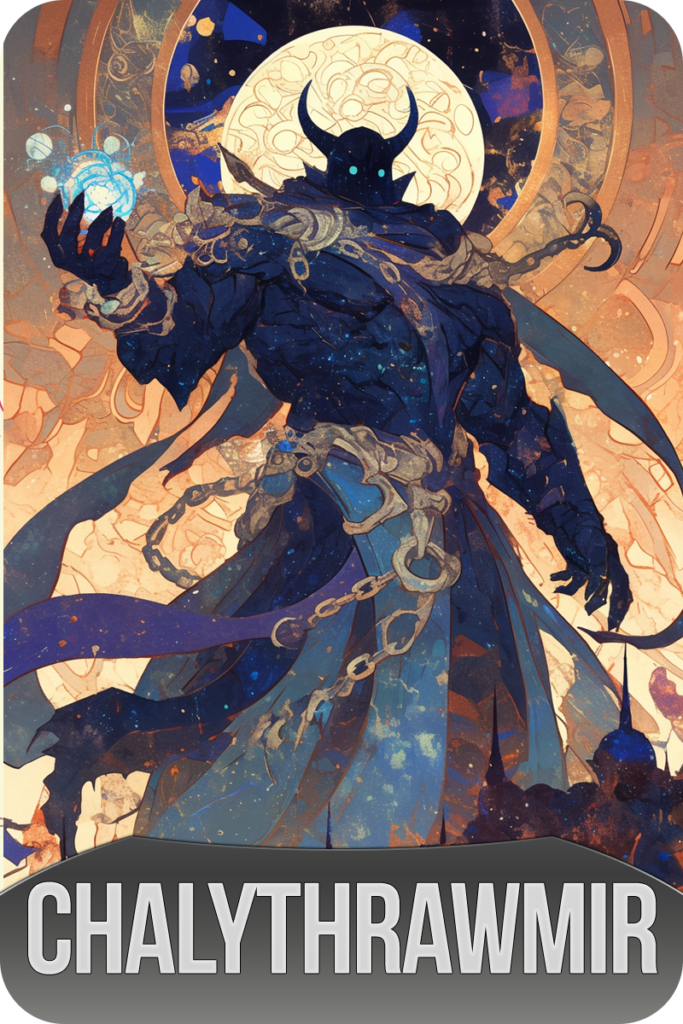
The Trophaeum was already old when Chalythdraemir first stood before it. He remembers what it looked like then. Remembers the stone before the additions, the climb before the brackets, the thing itself before the world built a spectacle around it and called that the point. He has watched every layer get added. He has outlived everyone who added them.
He learned his craft in an era the current world files under mythology. The magic is older than the city, older than most of what passes for recorded history in this place, and it was not given to him freely. Something was traded. He decided the trade was worth it and he has had centuries to sit with that decision in the quiet way that very old things sit with things.
He moves through the modern world without engaging it. The technology, the neon, the corporate architecture of the climb, these things exist around him the way weather exists. He is not on the grid. He does not participate in the sponsored brackets or acknowledge the legitimacy of the current structure. He came for whatever sits at the center of the Trophaeum underneath all the centuries of addition and modification.
He has not found it yet. He keeps coming back.
Paragon Paths
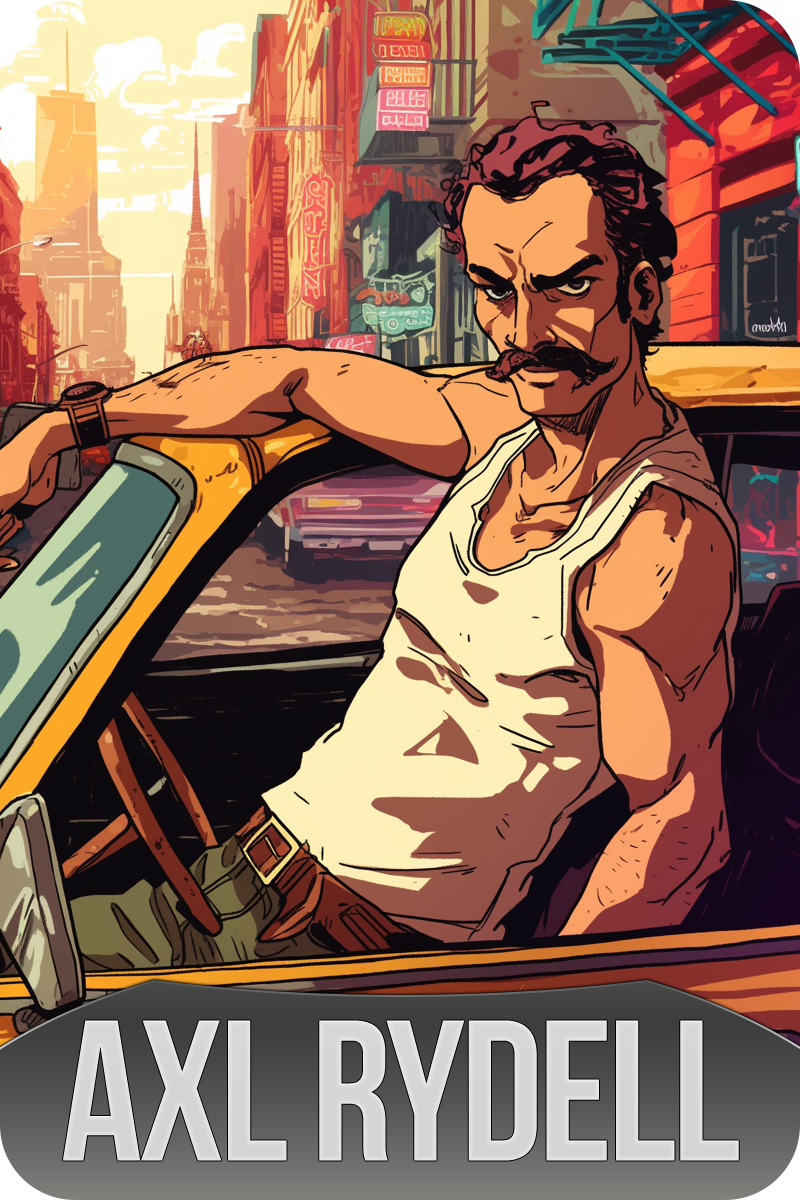
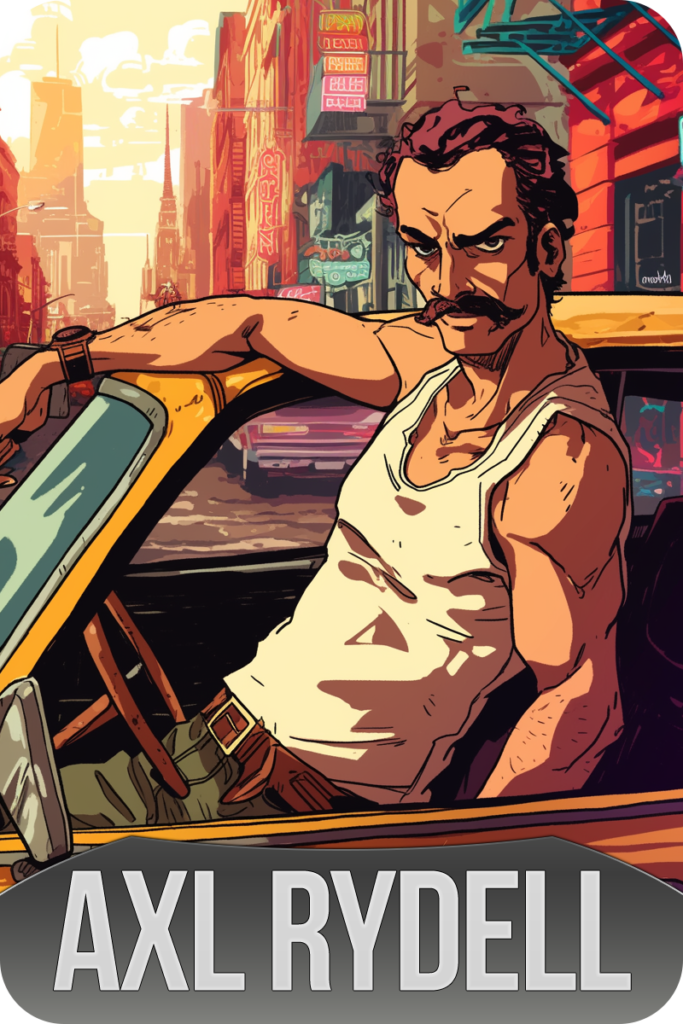
Axl Rydell has been driving these streets longer than most of the Trophaeum’s current contestants have been alive. He knows every shortcut, every back alley, every route between every point in the city that doesn’t show up on any official map. He has driven fighters to matches, fighters from matches, and on at least three occasions fighters who were no longer technically conscious. He keeps a roll of paper towels under the seat. He has learned not to ask questions.
He is not entirely sure how he became the go-to transport for Trophaeum contestants. It happened gradually, the way most things in the lower plates happen, one fare at a time until suddenly it was just what he did. He doesn’t have a power in the traditional sense. He has routes. He has timing. He has the particular competence of a man who has been doing one thing for a very long time and gotten quietly exceptional at it without anyone throwing a parade about it.
He runs on coffee. The bad kind, from the gas station two blocks from the junkyard that has been open continuously for thirty years and has never once been cited for health code compliance. He considers this a feature. The Trophaeum promised him nothing and he expected nothing and somehow he’s still here every morning, engine running, meter on, waiting for whoever needs to be somewhere else.
Just don’t get blood on the seats. The upholstery is vintage and he means that sincerely.
Paragon Paths
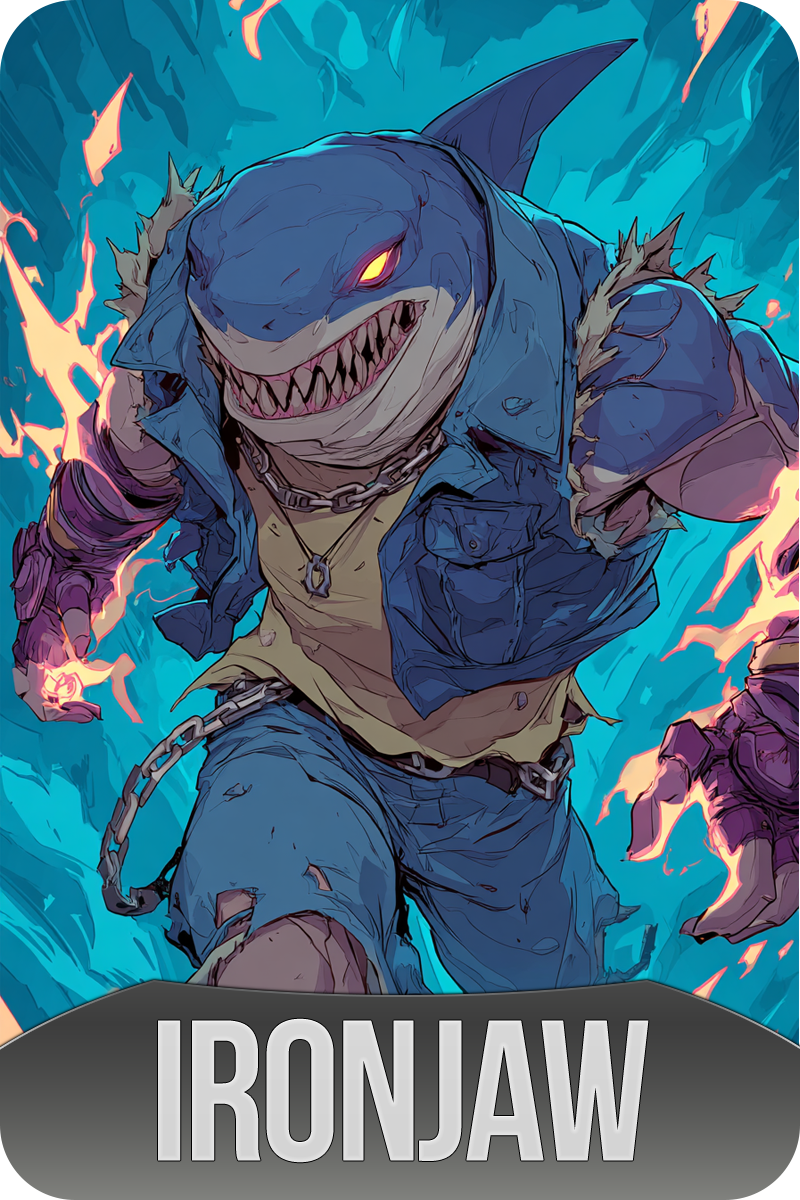
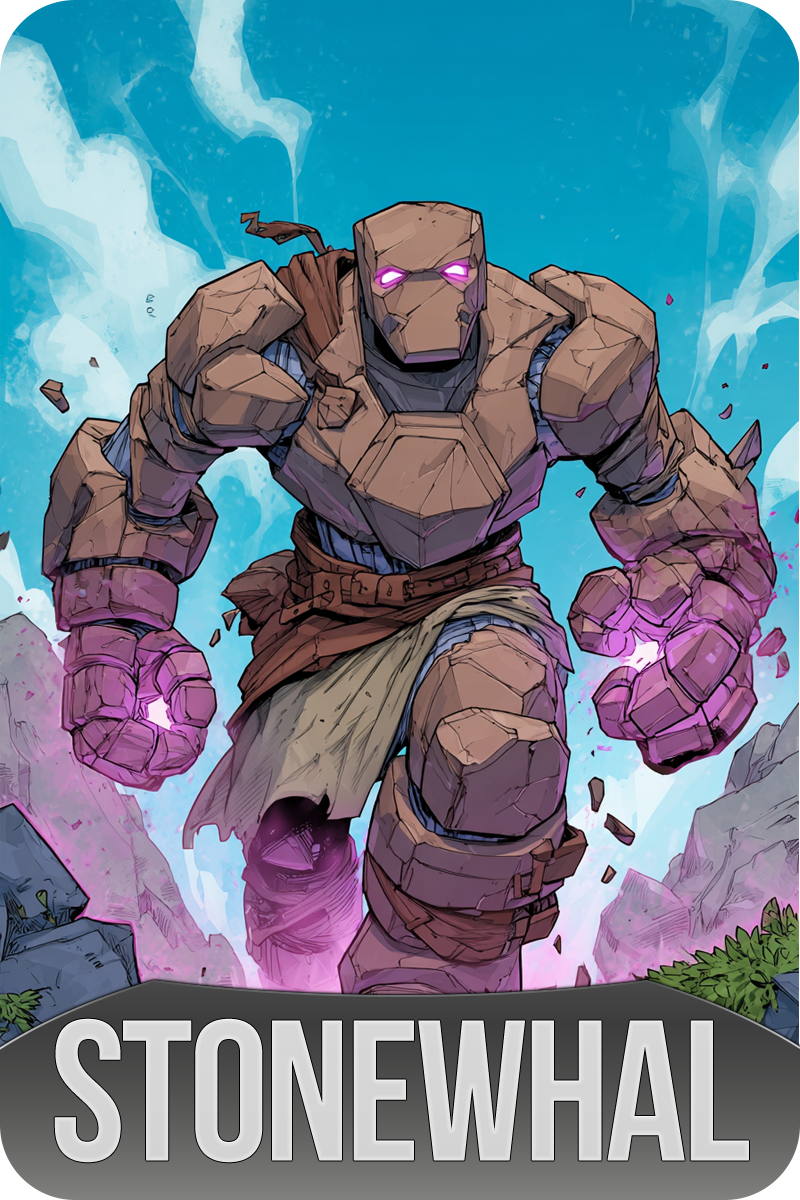
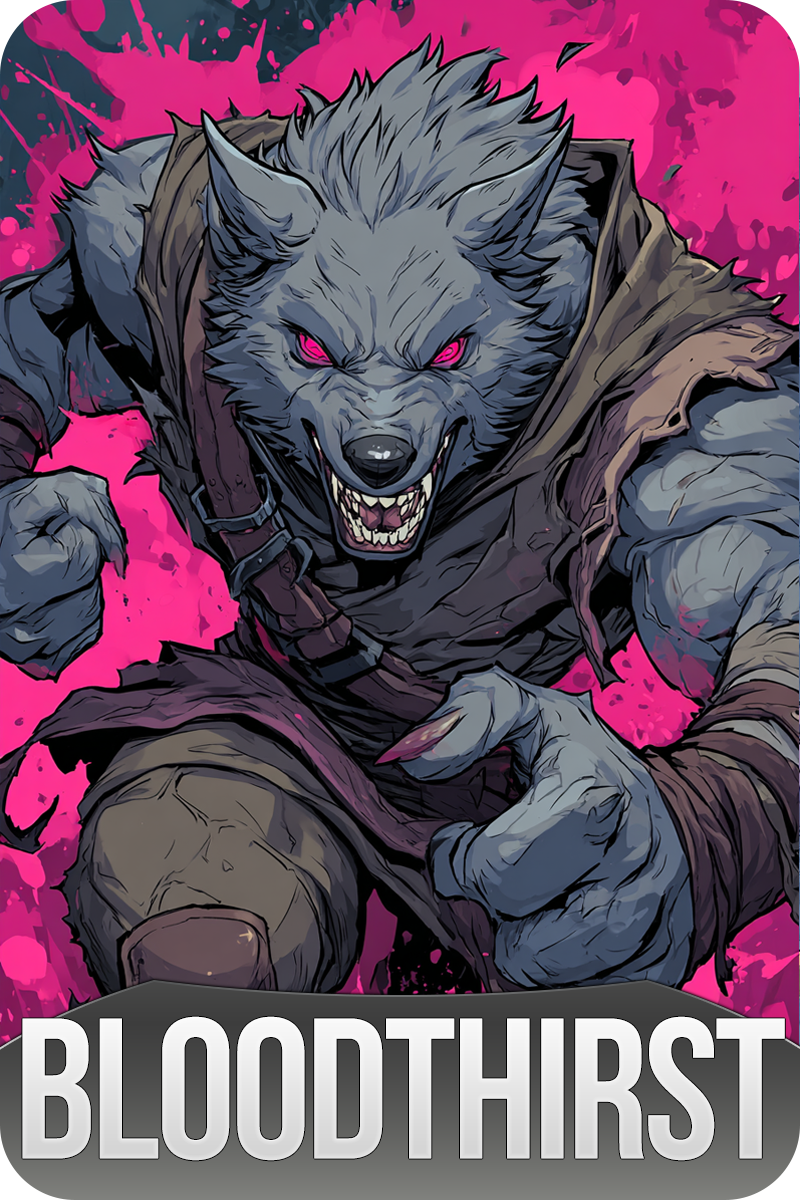
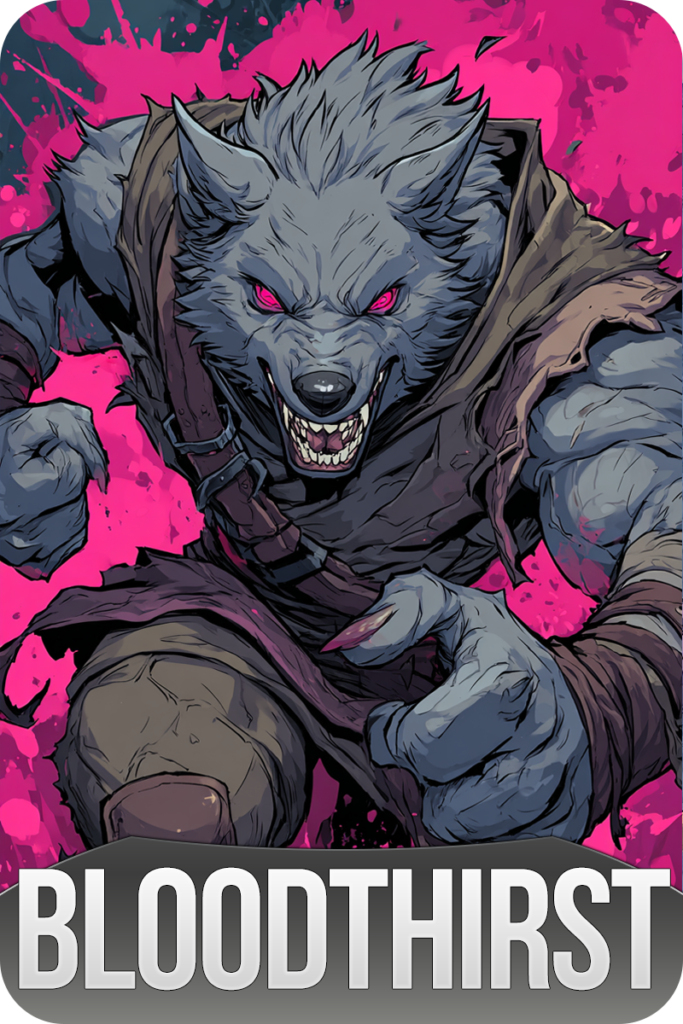
Bloodthirst didn’t come from the city. He came from the edges of it, from a clan that has always existed just outside the boundaries of civilized things, where the only structure that matters is who is still standing. His people don’t climb the Trophaeum out of ambition or desperation. They climb because standing still was never an option and the Trophaeum is simply the worthiest thing within reach. He was raised in violence the way other children are raised in language. It was the first thing he understood and the only thing he has ever needed.
He arrived at the Trophaeum the way his clan arrives at everything. Without announcement, without strategy, without particular interest in the rules of the place. The bracket, the rankings, the careful architecture of competition, none of it registers as anything other than obstacles between him and the next moment of total destruction. He doesn’t distinguish between enemy and ally. He never learned to. Whatever is closest is the answer to the need and the need is always there.
This is not rage in the way that most people understand rage. Rage implies a before, a moment of calm that got interrupted. Bloodthirst has no before. He is simply always already in the middle of it, and the Trophaeum, for all its structure and spectacle, has never produced anything capable of making him stop.
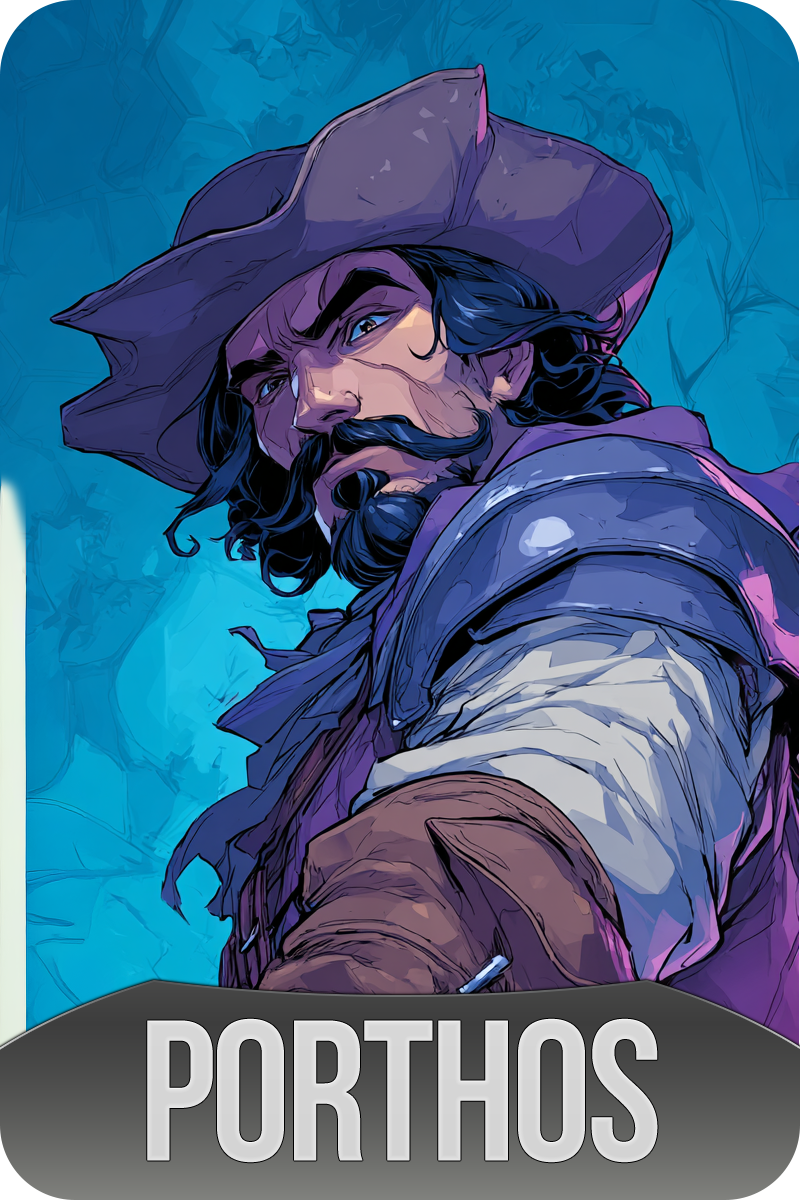
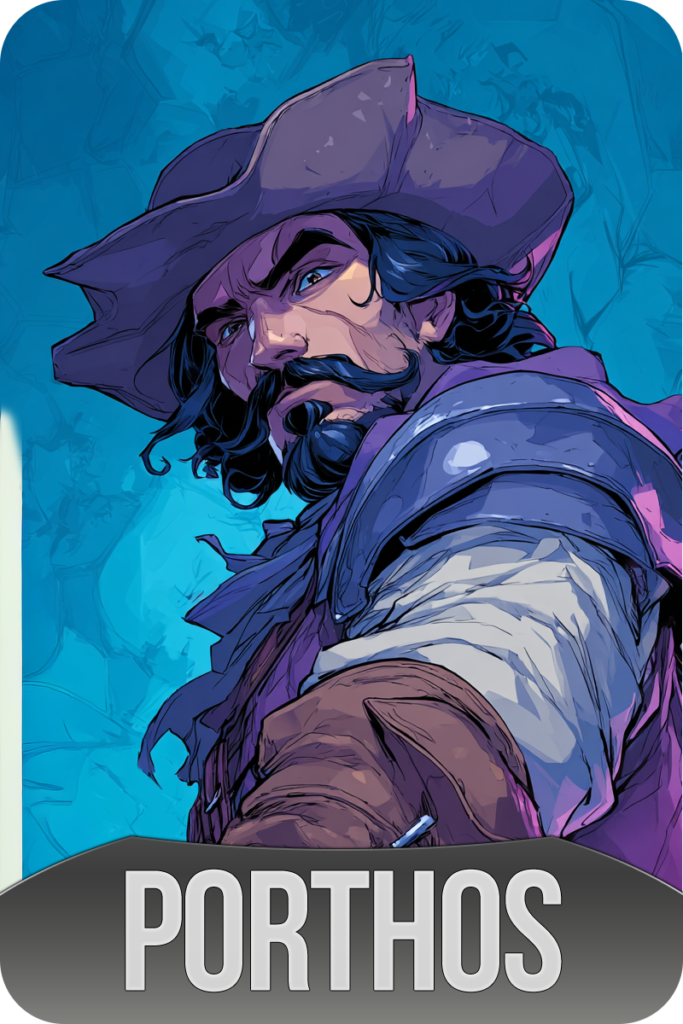
Nobody had to convince Porthos.
He heard the word fighting and was halfway out of Paris before D’Artagnan finished the sentence. The rest of the details, the location, the stakes, the particular architecture of the Trophaeum and what it meant to the people who built their lives around it, these things were interesting but ultimately beside the point. There was fighting. There was competition. There would almost certainly be an audience. Porthos had everything he needed to know.
He is large and loud and completely comfortable being both. Not the kind of man who mistakes volume for strength, he has the strength to back it up and has never needed to prove otherwise for very long. What he brings into a room is presence, the specific gravity of someone who genuinely loves this, the competition, the physicality, the moment when the outcome stops being theoretical and becomes real. Most people perform confidence. Porthos just has it, the way some people have a good singing voice, naturally, without effort, as a simple fact about themselves.
The Trophaeum suits him perfectly. He has told the others this several times. They have not disagreed, which for Athos and Aramis is essentially a standing ovation.
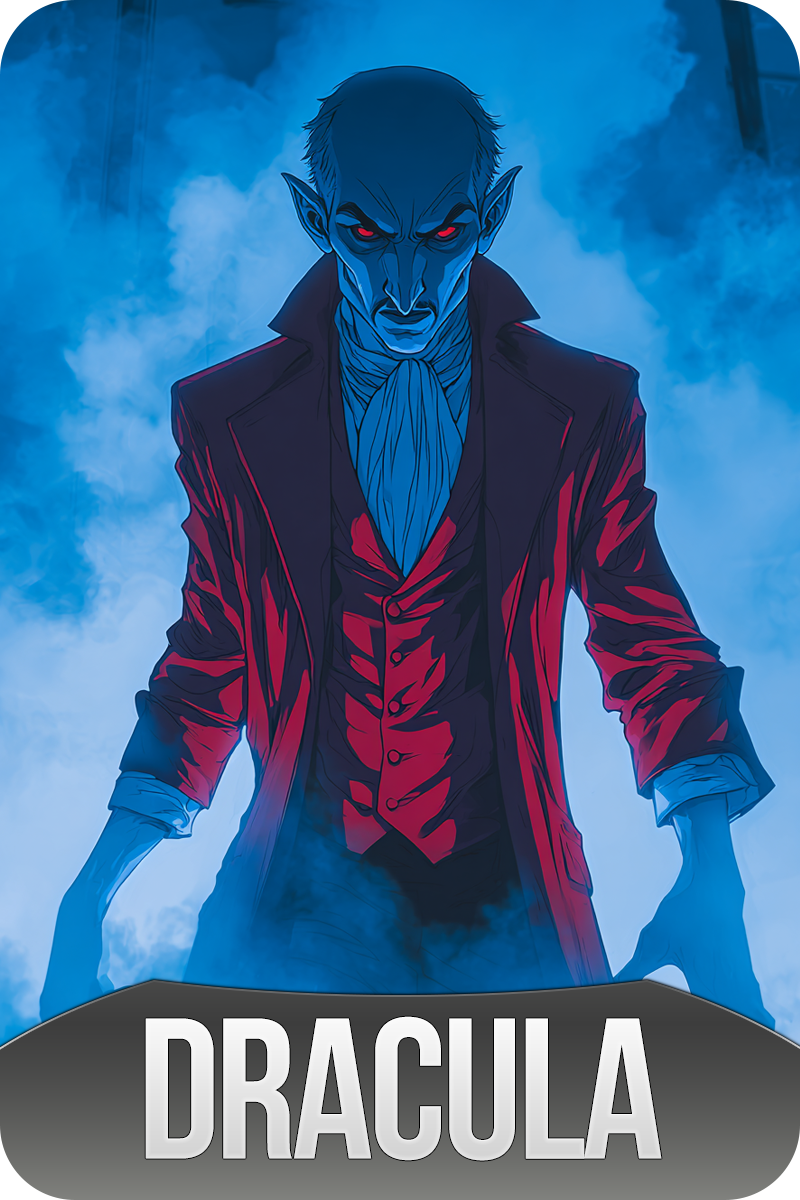
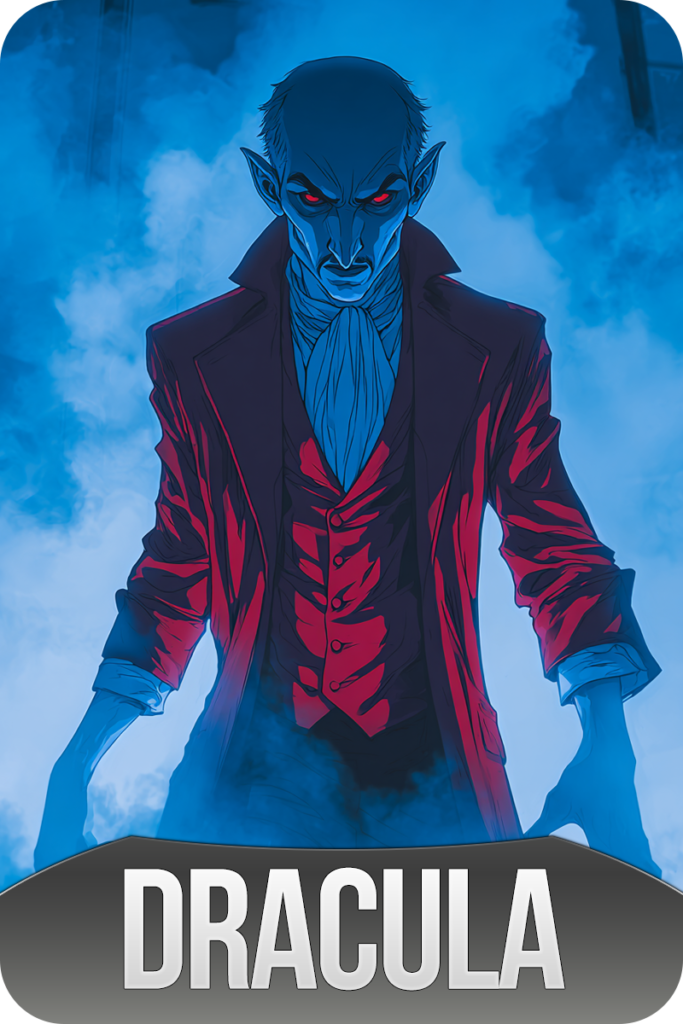
The ship that carried him has no surviving crew. This is not unusual. It never is.
He came from the other side of the world, from a place where the Trophaeum was still a rumor, a distant light on the horizon of a civilization he had already outlived. He did not book passage. He was cargo, the way he has always preferred to travel, and by the time the vessel made port the journey had gone the way his journeys tend to go. He did not mourn this. He rarely mourns anything anymore. Mourning requires an attachment to how things were supposed to go and Dracula stopped having those centuries before humanity became a concept he could only remember from the outside.
He saw the Trophaeum from the water. Impossible to miss. A monument to concentrated human ambition, to violence and rivalry and the endless human need to establish who sits above whom. Anyone else arriving in this world for the first time might have seen a competition. Dracula saw something else entirely. Every contestant a candidate. Every match an opportunity. Every ambitious fighter who had ever bled for rank, a potential subject waiting to be converted into something more useful than a free agent.
Paragon Paths
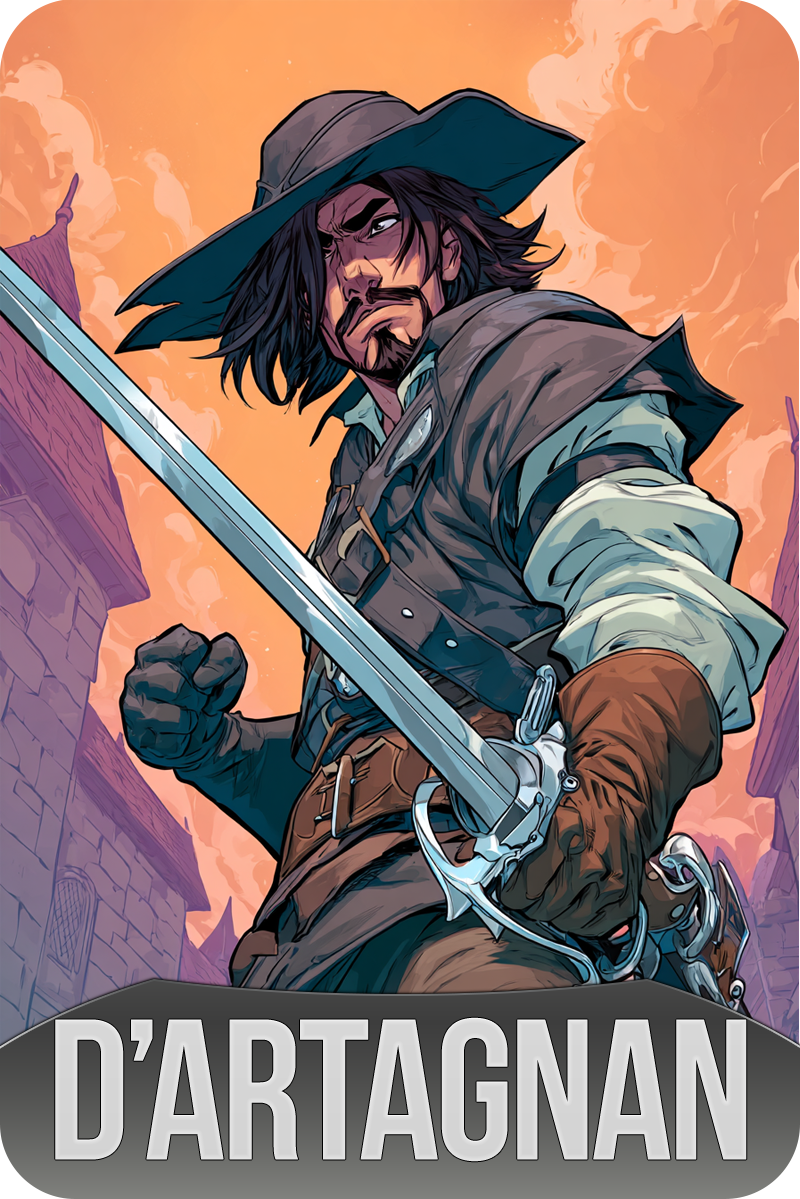
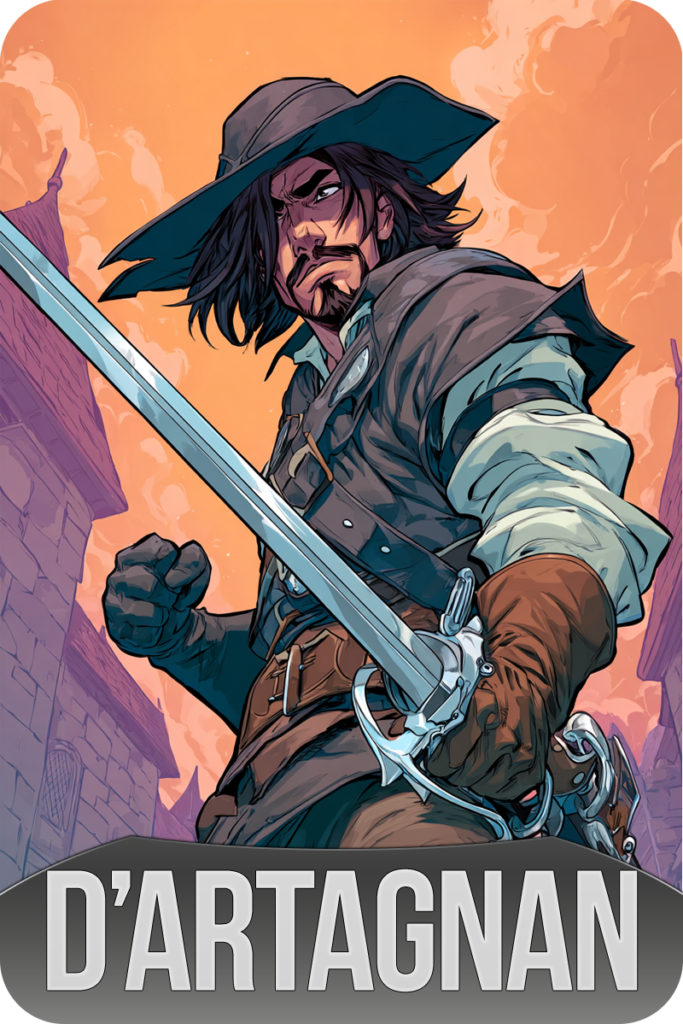
D’Artagnan heard about the Trophaeum the way he hears about everything worth doing. Too loudly, at the wrong moment, from someone who probably didn’t intend to tell him. By the time he finished listening he had already decided he was going and was working backwards through the reasons why it was a good idea.
He came from nothing worth mentioning. A small place, a long road, and a confidence that had absolutely no business being that size given the evidence available at the time. He found the Musketeers the same way, by showing up somewhere he wasn’t expected and refusing to be removed until he’d proven he belonged. It worked then. He sees no reason it won’t work now.
He treats the Trophaeum like a Tuesday. That might be the most dangerous thing about him.
Paragon Paths
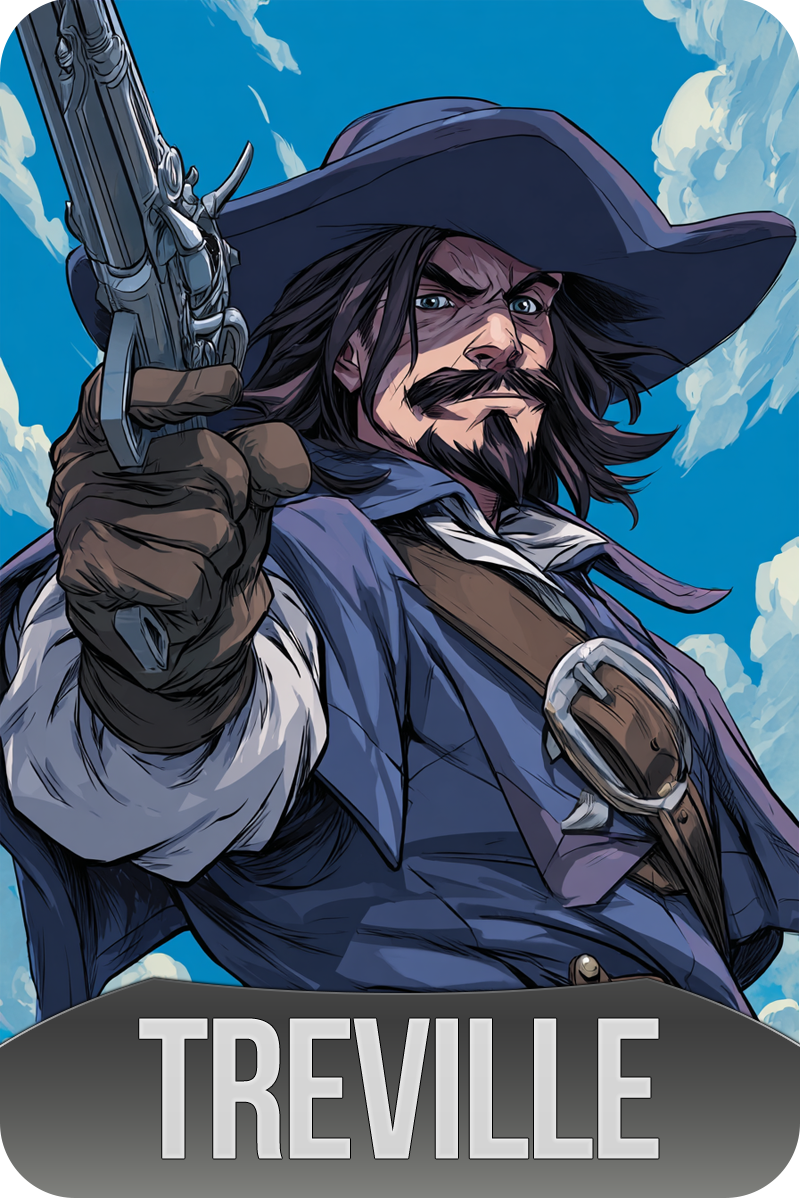
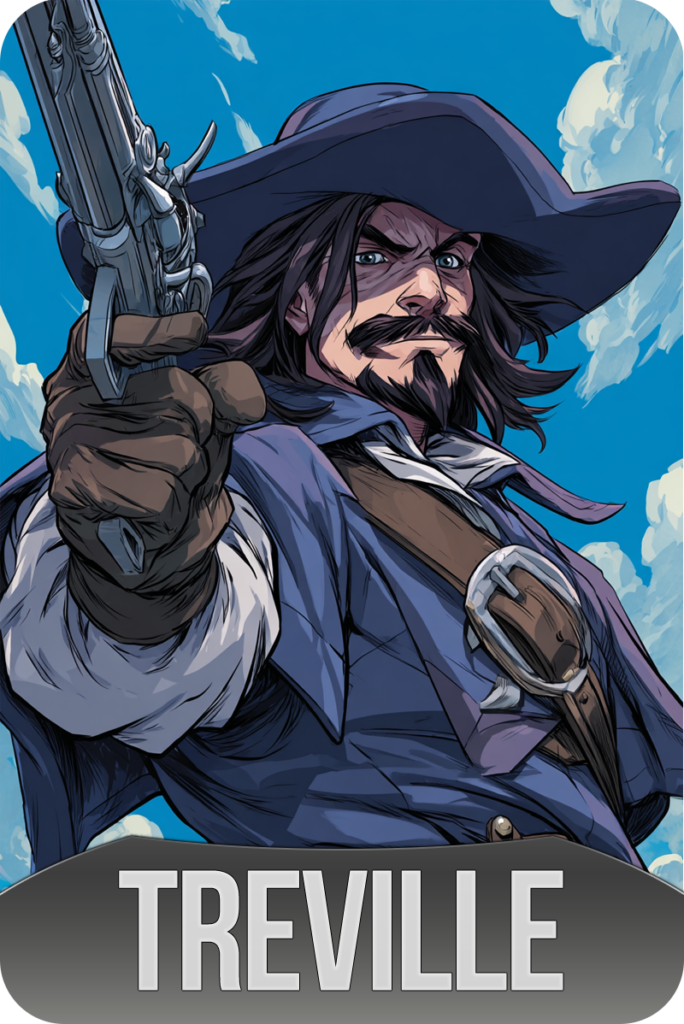
Captain Treville did not want to come.
He did the math. Four Musketeers, unsupervised, in a city built around competitive violence and public spectacle, with no official mandate and no one above their pay grade to answer to. He ran the calculation once and started packing. Not because the Trophaeum interested him. Because the list of things that could go wrong without him present was longer than he was willing to be responsible for from a distance. There are certain situations where absence is just a different kind of involvement and Treville has been doing this long enough to know which ones they are.
He is the most dangerous person in their company and the least interested in demonstrating it. That particular combination took decades to develop and he carries it the way experienced men carry most things, quietly, without announcement, in a way that only becomes apparent when something goes wrong and he has already handled it before anyone else registered the problem. He did not come to the Trophaeum to compete. He came to make sure nobody dies, nothing irreversible happens, and the whole enterprise concludes without becoming an international incident.
He is, unfortunately, the adult in the room. He has been the adult in the room for most of his professional life. He is very good at it. He also, if pressed in a private moment with sufficient wine, would admit that he hates it completely.
Paragon Paths
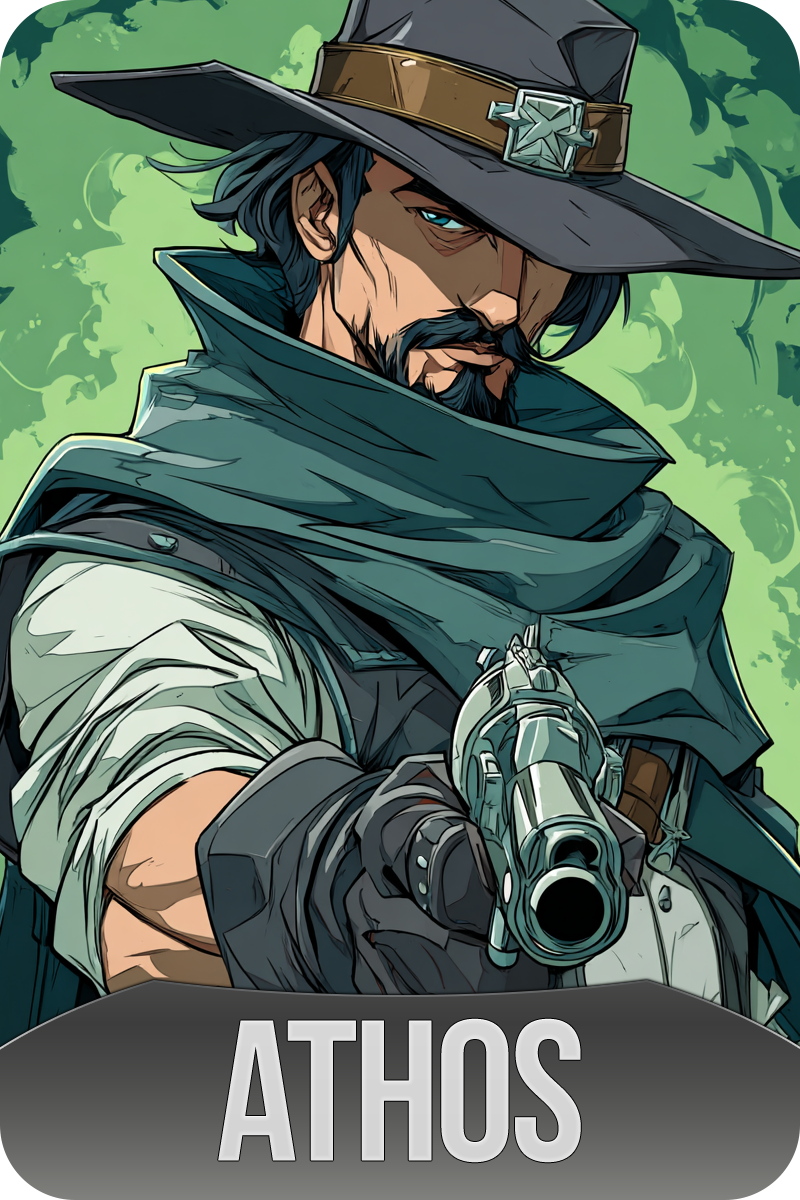
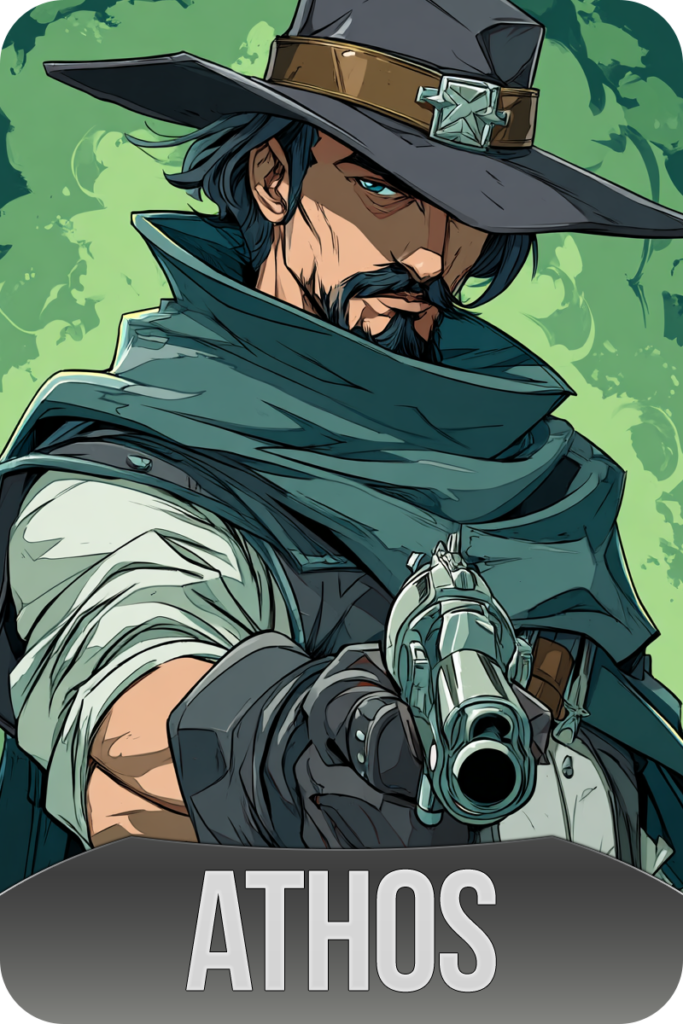
Athos doesn’t talk about where he came from. This is not a secret so much as a decision, made long ago and never revisited. What he was before the Musketeers belongs to before the Musketeers and he has never found a reason to go back there.
What he is now is enough. Experienced in the specific way that comes not from age alone but from having been in every version of a bad situation and walked out the other side with the lesson intact. He doesn’t wait for things to escalate. He identifies the problem at its earliest point, when it is still small and manageable and hasn’t yet decided what it wants to be, and he ends it there.
One shot. Clean. Done. This is not ruthlessness. It is the mercy of someone who knows what escalation actually costs.
He had reservations about the Trophaeum. Places built around concentrated ambition and violence have a gravity that pulls people in further than they intended to go. He has watched it happen. He came anyway because D’Artagnan was going regardless and someone with enough sense to recognize a threat before it becomes one needed to be present. He told himself it would be brief. He has stopped telling himself that.Paragon Paths
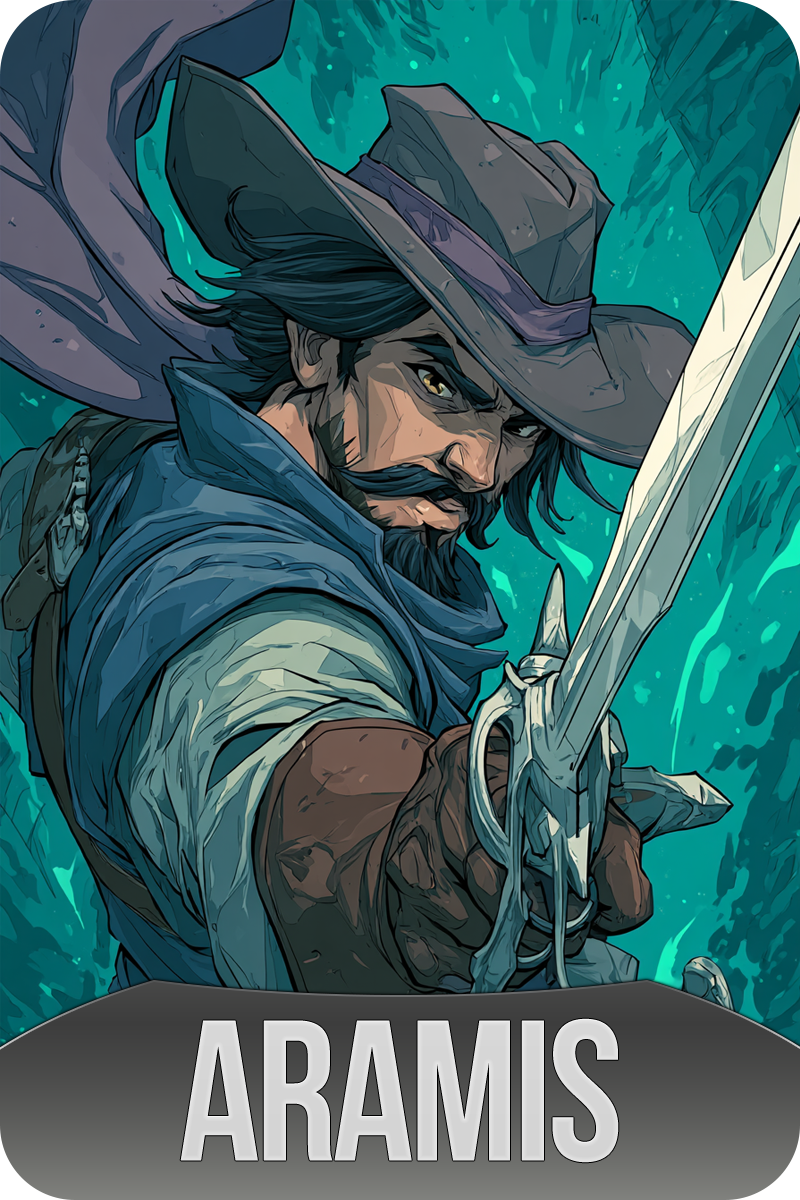
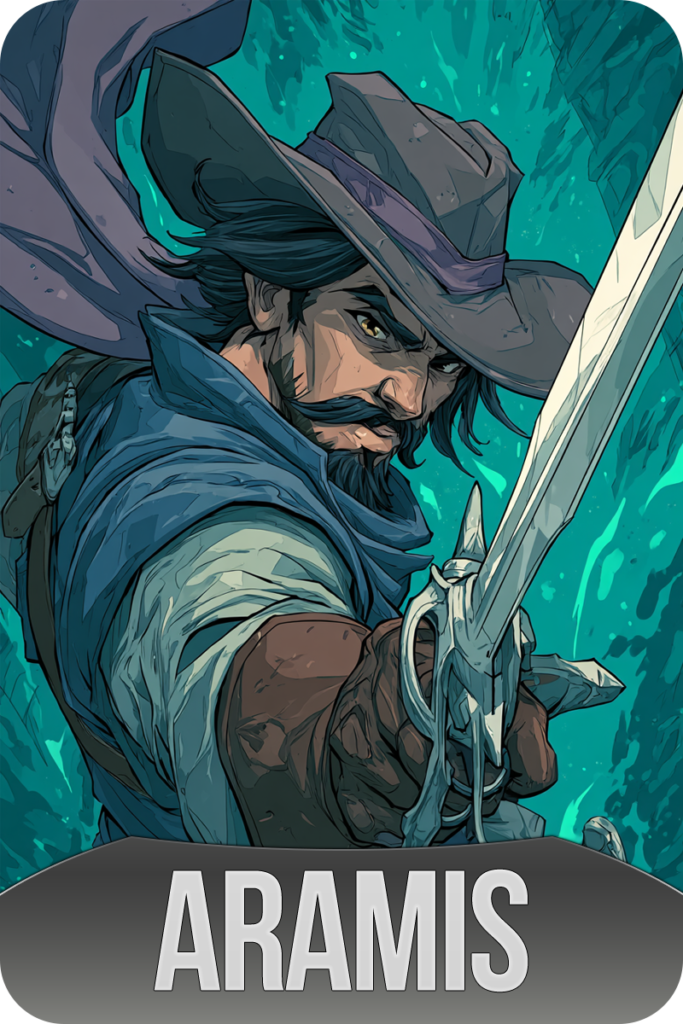
Aramis is a man of faith and considerable charm and has always found these two things more complementary than contradictory. The life he built around them suits him well. Comfortable, intentional, filled with the particular pleasures of someone who has cultivated his circumstances carefully and knows the difference between what he wants and what he needs. He does not chase things carelessly. When he moves toward something it is because he has already decided it is worth the cost of what he is temporarily leaving behind.
The Trophaeum gave him pause. A tower built on rivalry, violence, and the public humiliation of the defeated is not obviously consistent with the principles he has spent considerable effort constructing his life around. He thought about it seriously. He prayed about it. He concluded that God has never had much difficulty working through imperfect circumstances and that a man of genuine conviction could find meaning in almost any arena if he approached it correctly.
The fame didn’t hurt the argument. Aramis understands reputation the way a craftsman understands tools. A man who carries himself well through the Trophaeum and emerges intact acquires a particular gravity that opens doors, softens dispositions, and has a persuasive quality in almost every room he subsequently enters. He has never pretended this consideration was absent from his thinking. He just doesn’t lead with it.
Paragon Paths
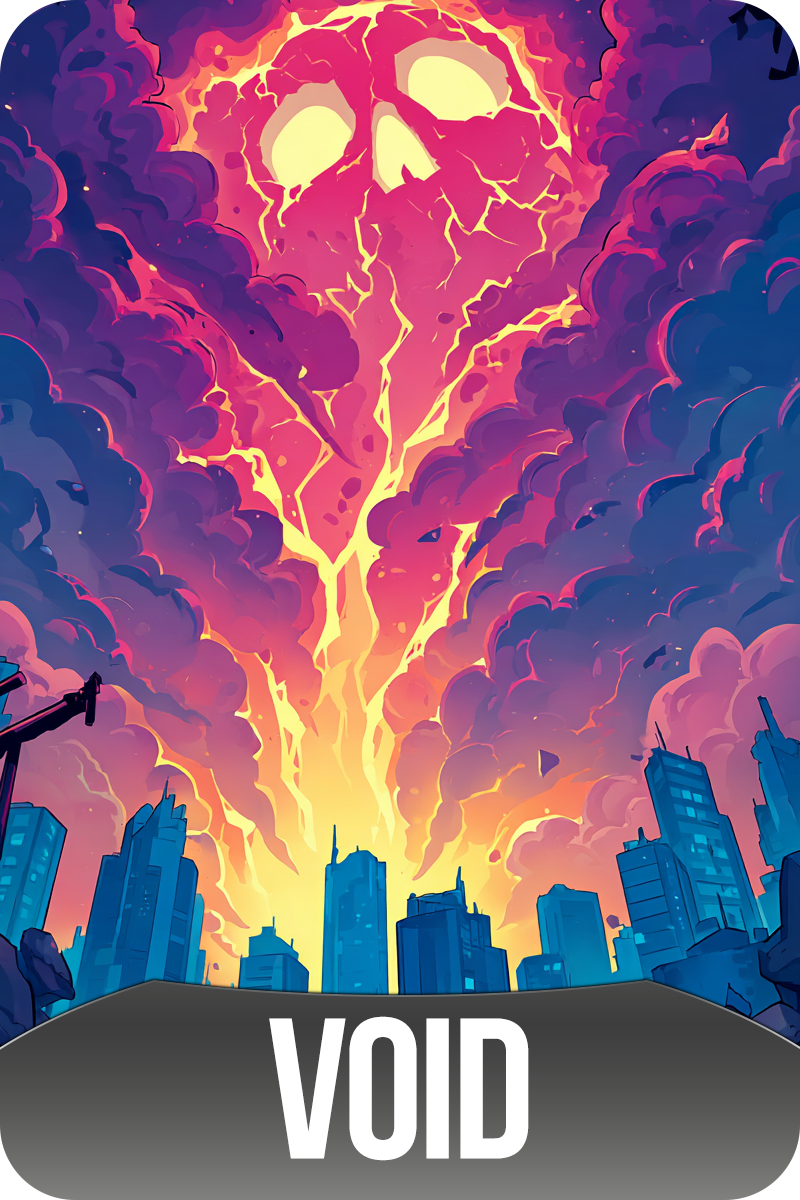
Destroy everything on the field. All locations become Deadspace